

introduction:
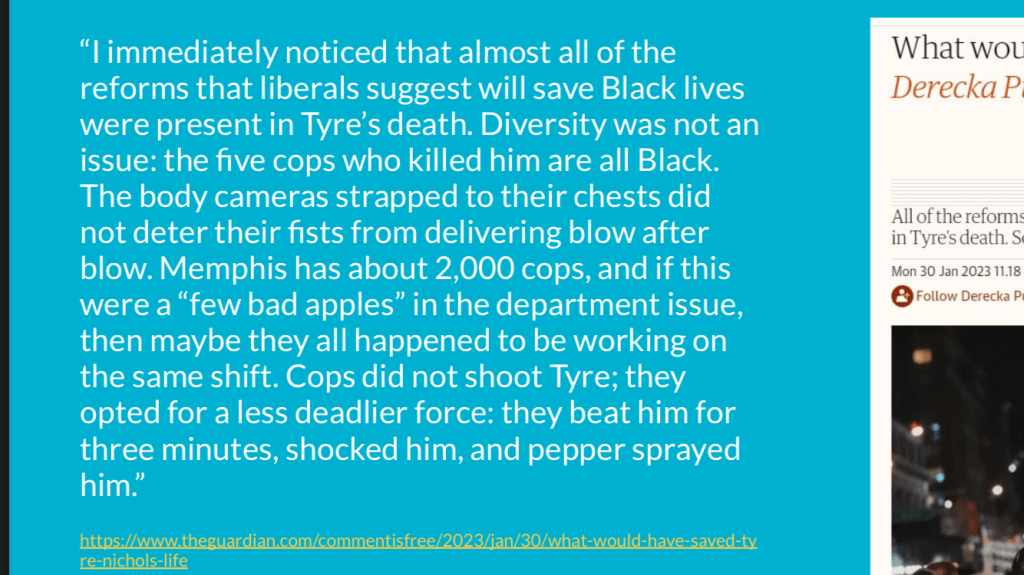
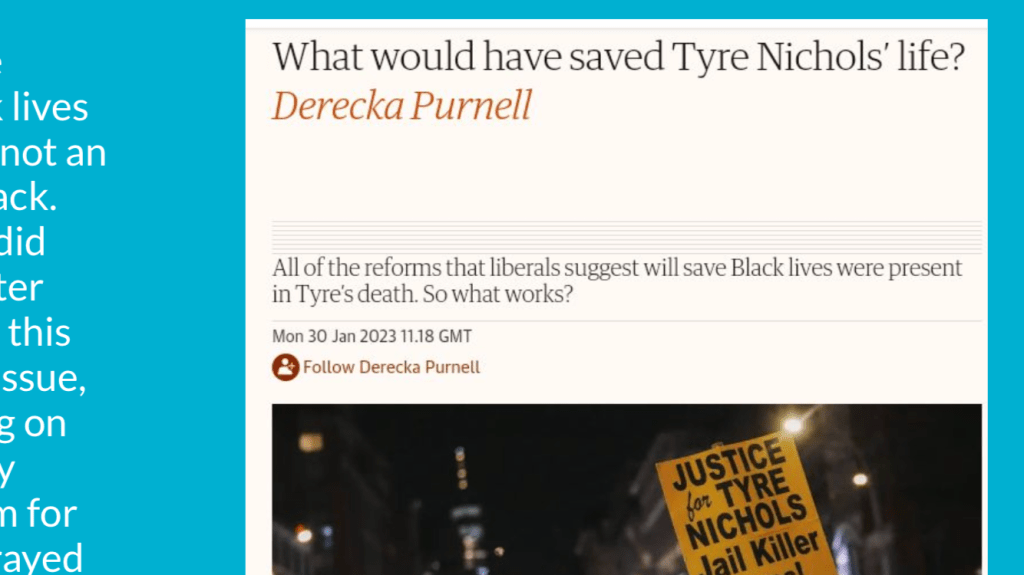
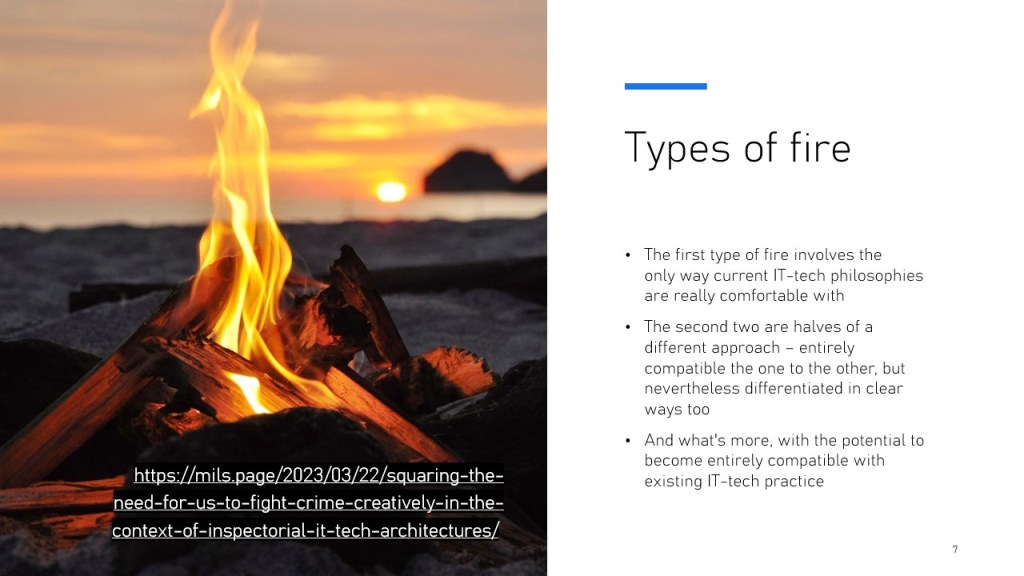
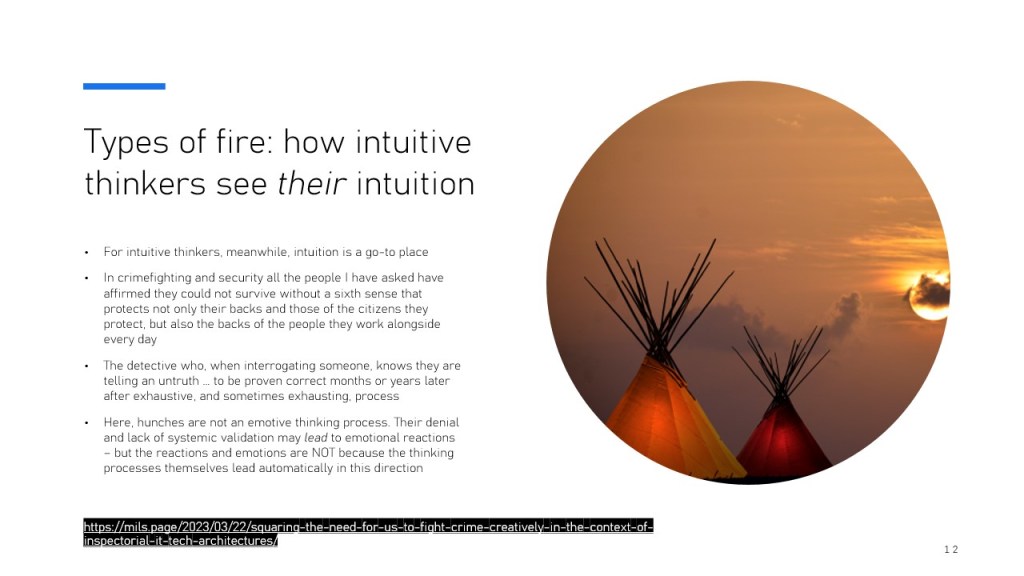
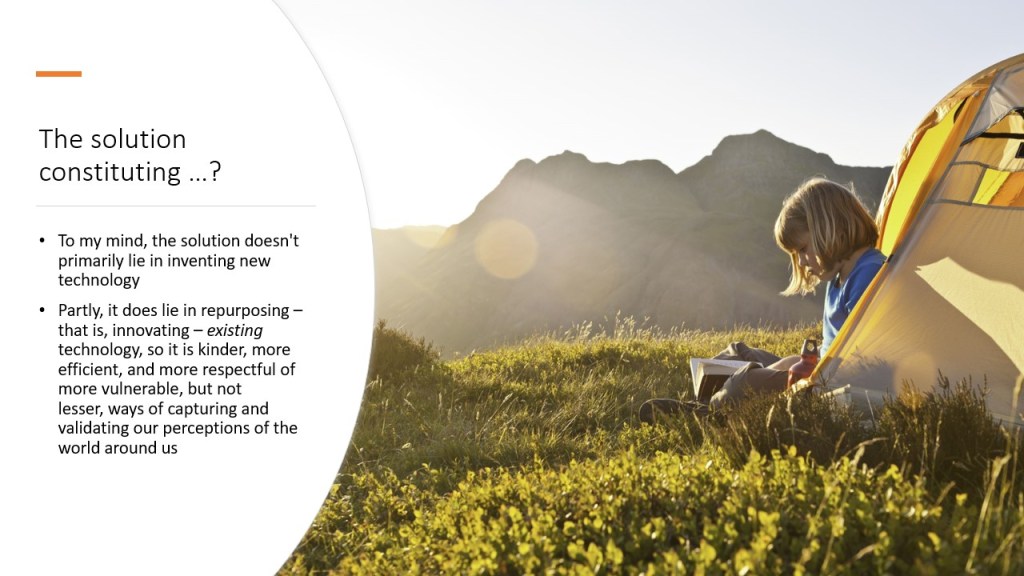
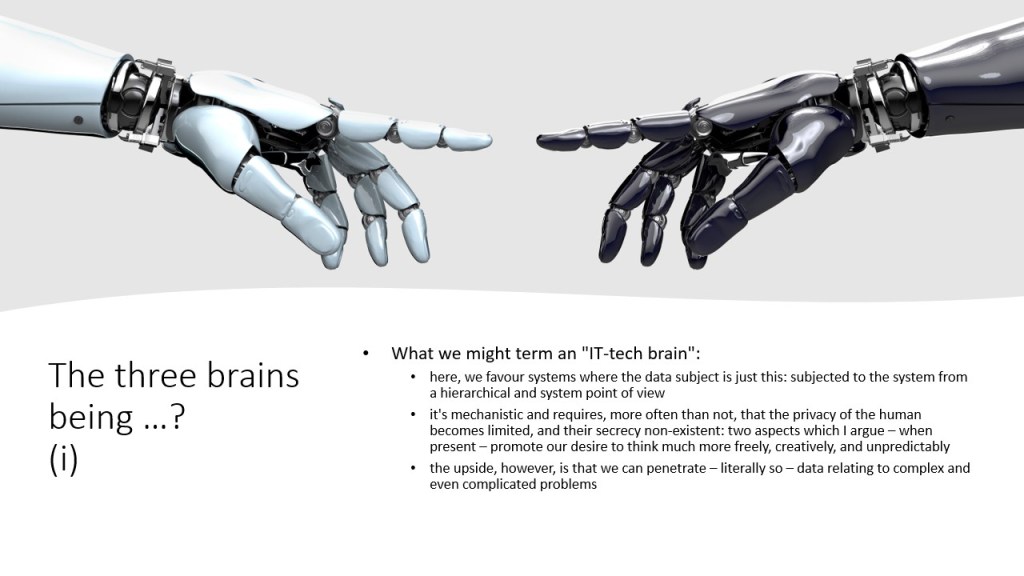
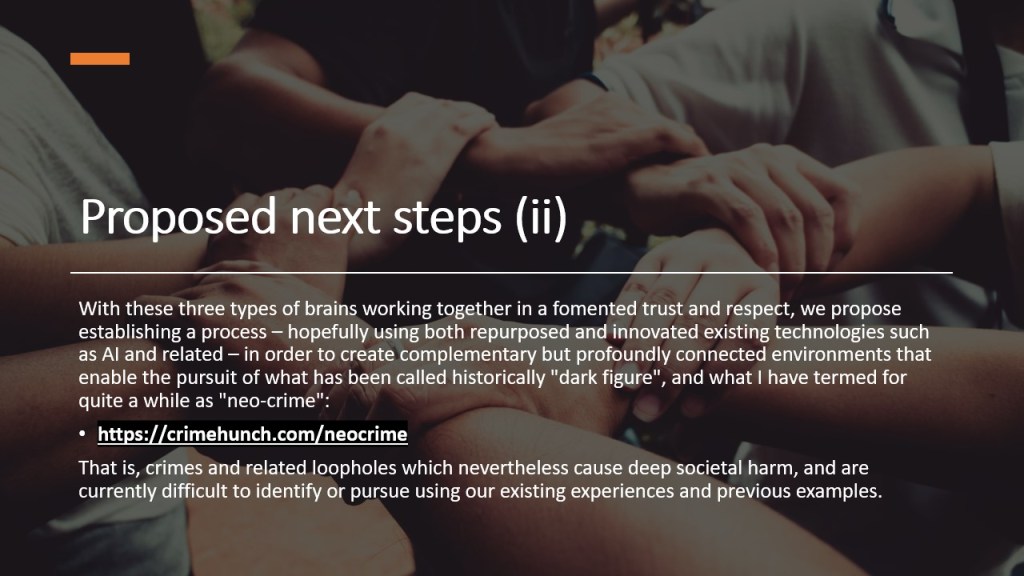
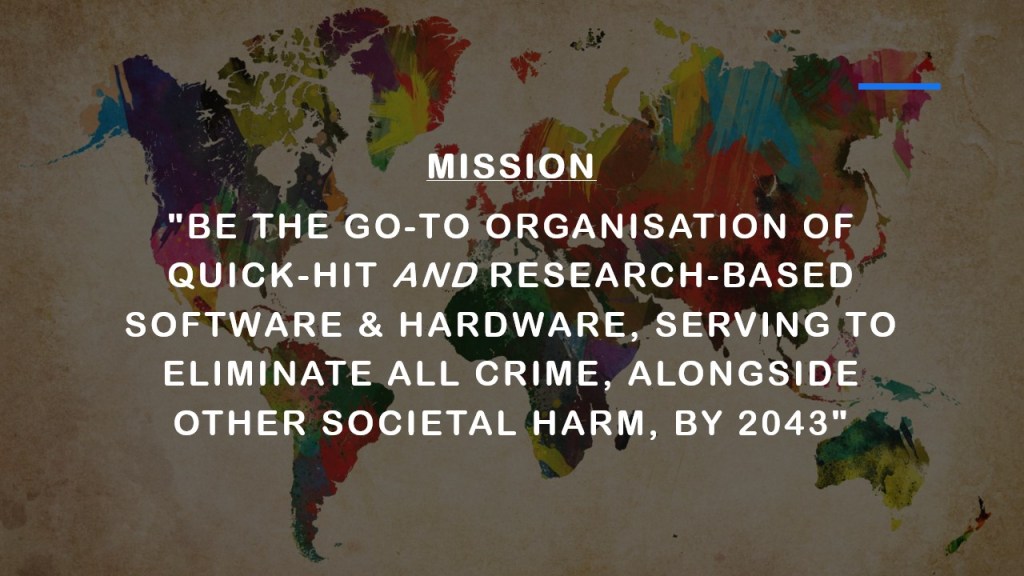
there are two questions i’d like to discuss in tonight’s post. the first as per these screenshots of a previous post earlier today:


in the second image above, i allude to “zero trust” versus “total openness”. and then add, in an addendum written after the original post, that trust is the secular term we have been constructing for a while in the absence of a more religious faith.
‘only thing being that faith presupposes a universal deity of irreplaceable goodness (that’s the deal; why it’s safe to have faith), whilst trust is what we far more imperfect humans do with each other — equally imperfectly.
and so we get stories such as this:

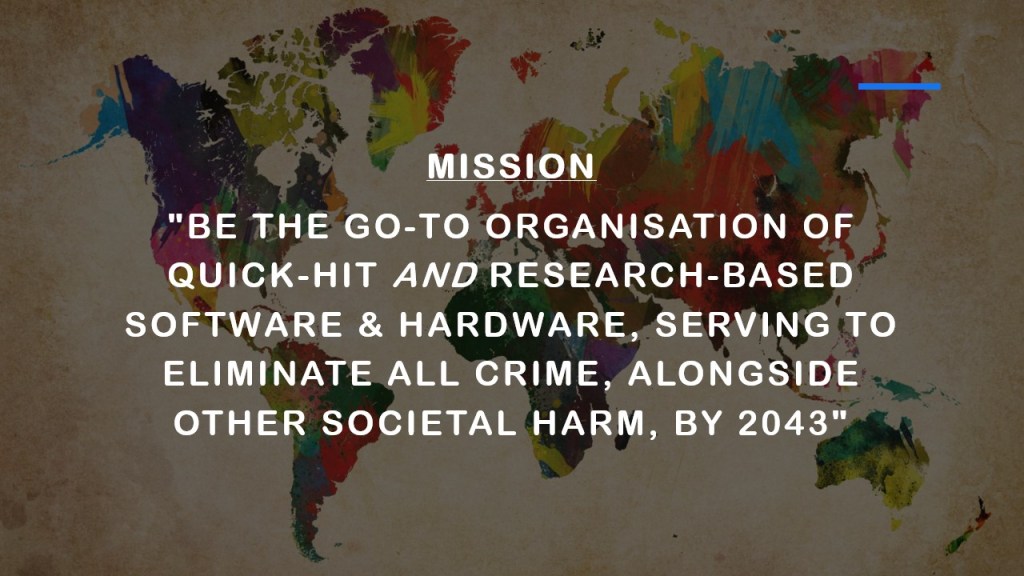
and these:
• full pdf download of the presentation
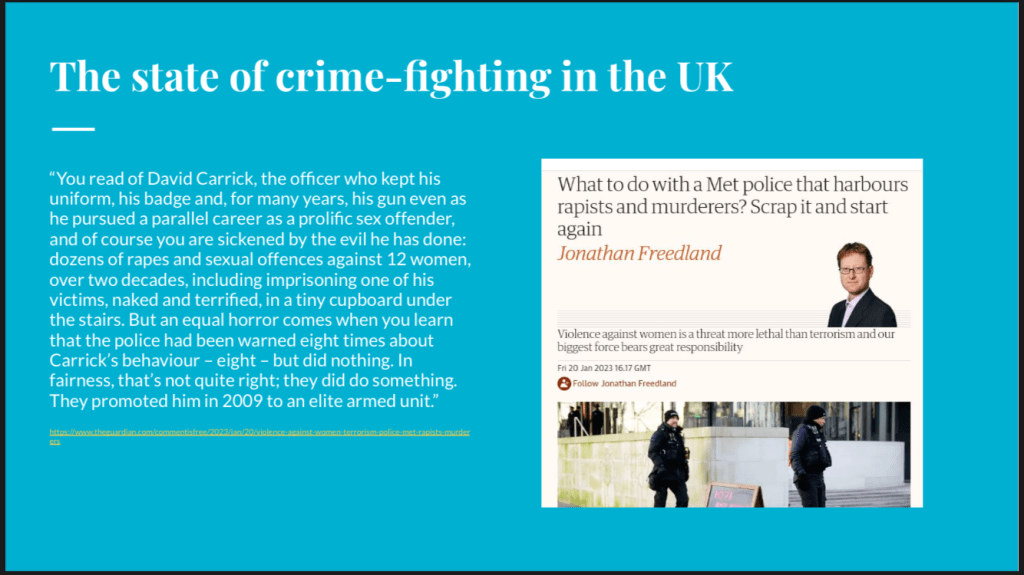
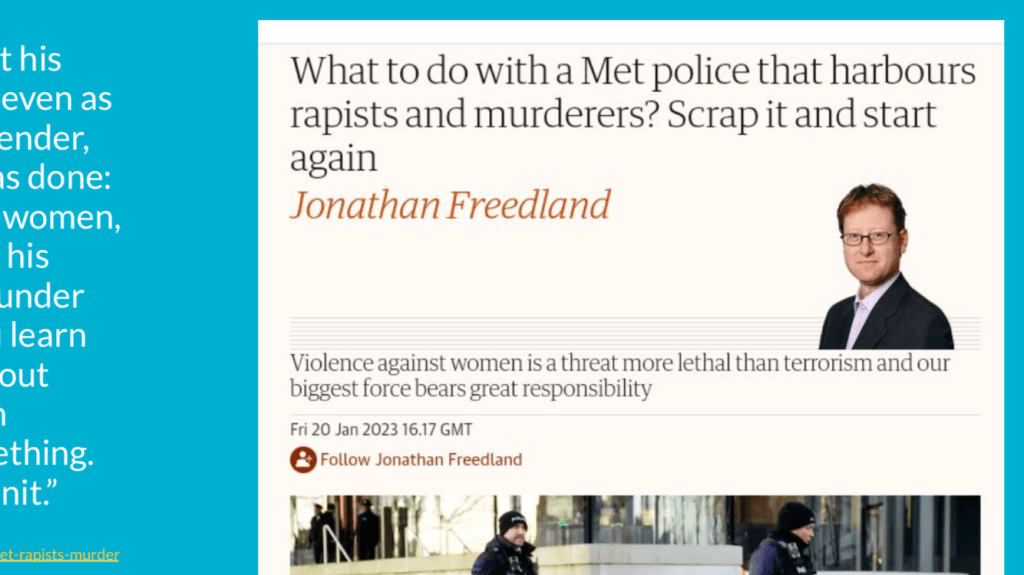
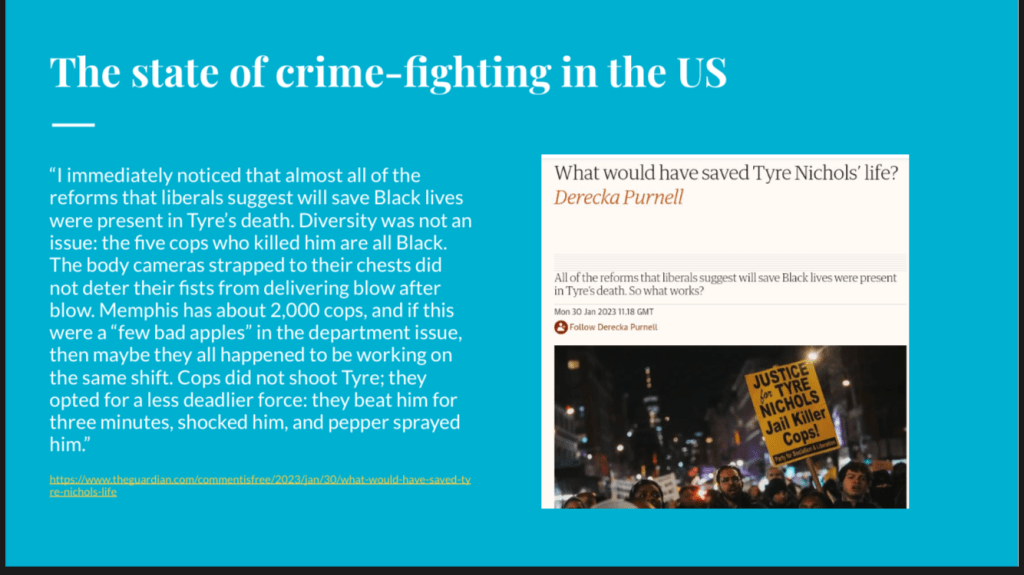
relativism — but not what you’re thinking jim
i think a bit of what is happening is something to do with relativist approaches to criminal justice and law enforcement. and i’m not talking about populist rubbishing of 1960s post-modernist belief systems.
i’m saying that, actually, the defence lawyer’s right — and even obligation — to defend someone they’re pretty sure is guilty relativises since time immemorial the concept of absolute truth. and if you don’t like the word “absolute”, how about we say “core”?
i don’t even mean universal truth. i think i already mentioned on these pages that i sensed a profound difference between the ideas of absolute and universal. this evening, someone encouraged me to explain. and being forced to do so in this way served to clarify my own thought with great utility.
the difference between universal and absolute truth
i ended up using the example of the roman catholic church and my mother. for her, her church is part of a wider community of christians. and she is, in the main, well disposed to these other churches and their own manifestations of such christianity. even so, for her the catholic church trumps them all: in this sense, it holds out for a wider humanity the universal truth that is its teachings.
meantime, many others of other religions, whilst subscribing to similar concepts of an all-seeing god, would beg to differ re my mother’s universal positioning of her church.
from their point of view, i’d argue that — more objectively seen — my mother’s truths were what i would now begin to define as absolute truths: that is, particular to a set of circumstances, and criteria clearly too. but NOT universal for everyone.
and if we apply these two concepts to the criminal justice and legal systems?
apply this explanation to criminal justice and to the legal system: you then get a different view of what a “core” truth in such contexts might after all look like.
forget the debate between a relativised reality or no. forget the naughty 1960s versus the tarnished but ever so real 21st century.
let’s move, instead, into the scenarios of universal truth (applicable one hundred percent to all human beings) versus absolute truths (always context-specific).
from reality-agnostic defence lawyers to criminal justice and legal systems with absolute and core truths
in this sense, from the totally reality-agnostic defence lawyer’s position, where core truth simply can’t exist in the debating chamber that is the court of law such professionals usually operate in, we may slowly begin to put together a new set of ai tech-driven validation systems: systems which may, after all, begin to recover our capacity to deliver these absolute and core truths i am differentiating.
next steps: my call to action …
this is how i’d like us to start:
• secrecy.plus/fire | full pdf download
• positive@secrecy.plus | milwilliams.sweden@outlook.com

















 mil's page