
introduction
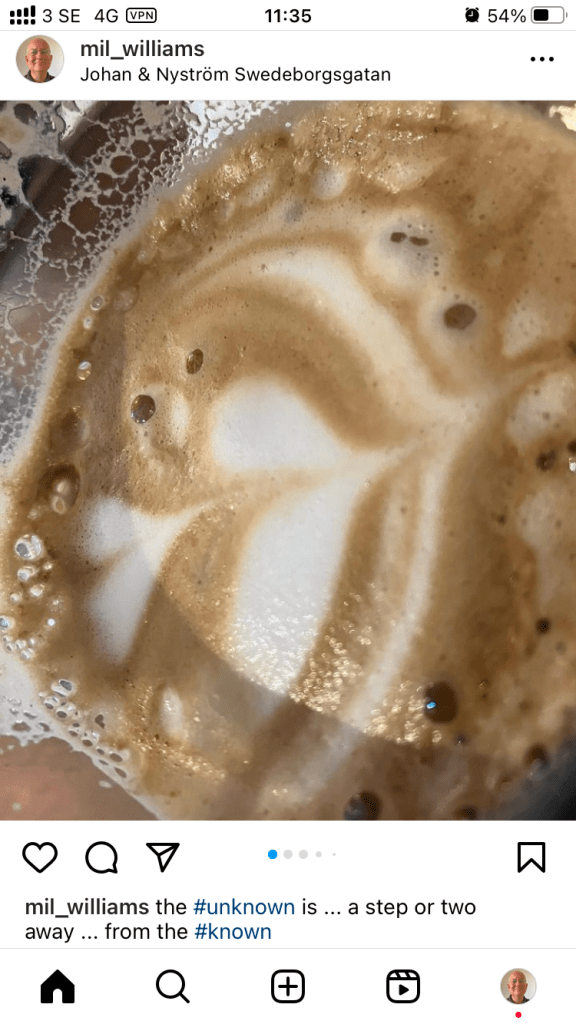
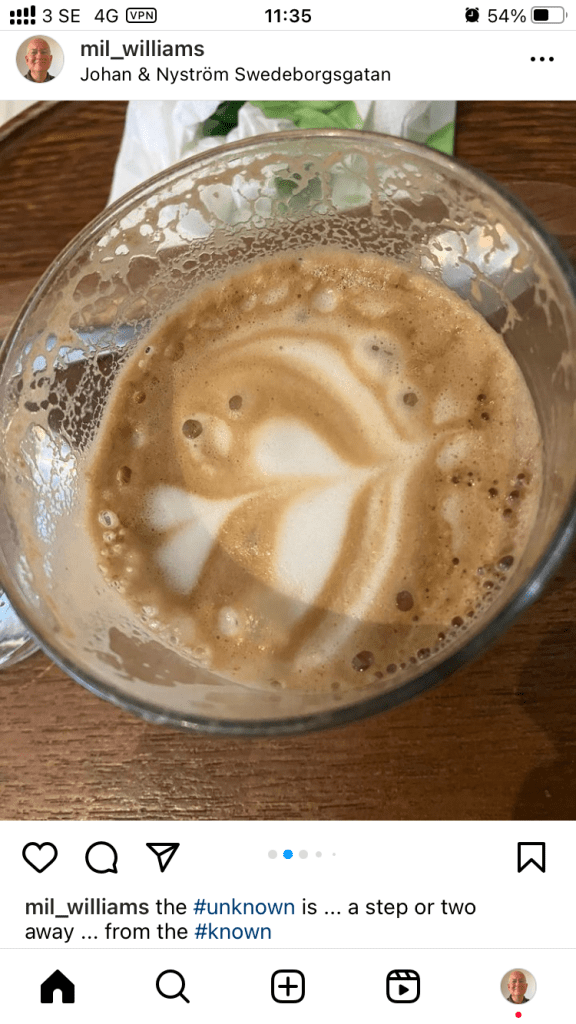
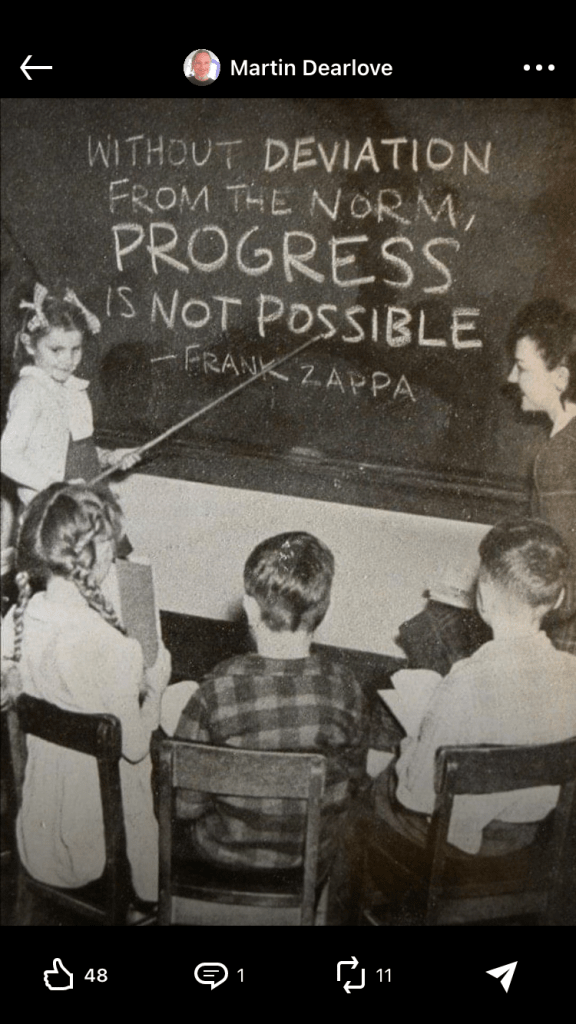
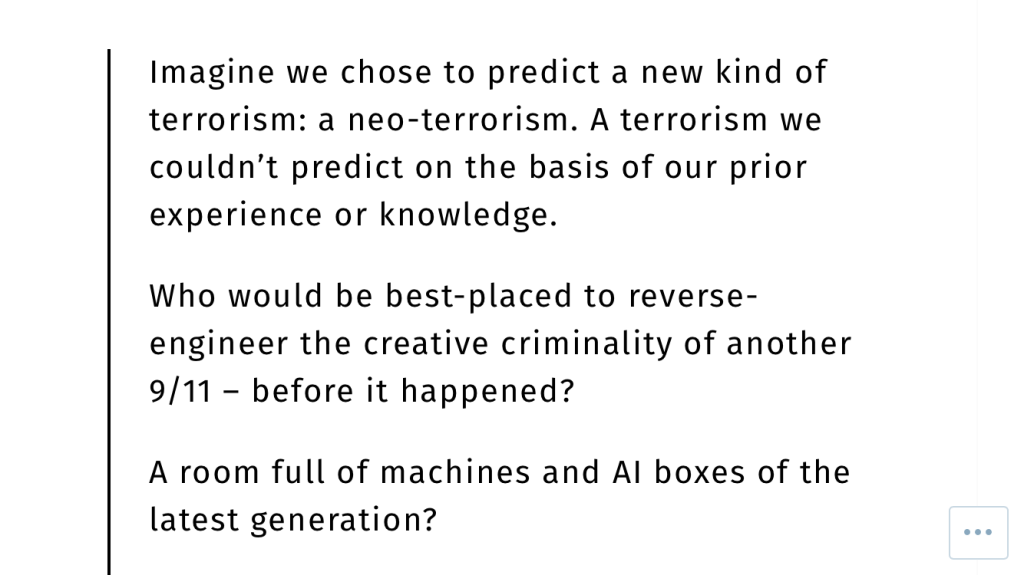
i just got a message from microsoft (linkedin) which asked me to consider and/or explain how what i was about to post (what you see below in the screenshots) related to my work or professional role.
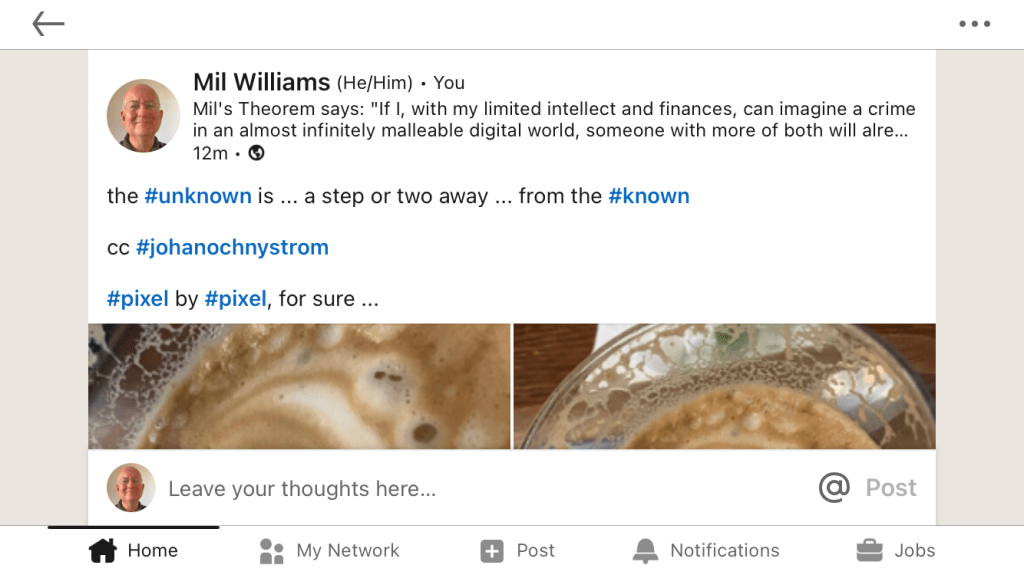
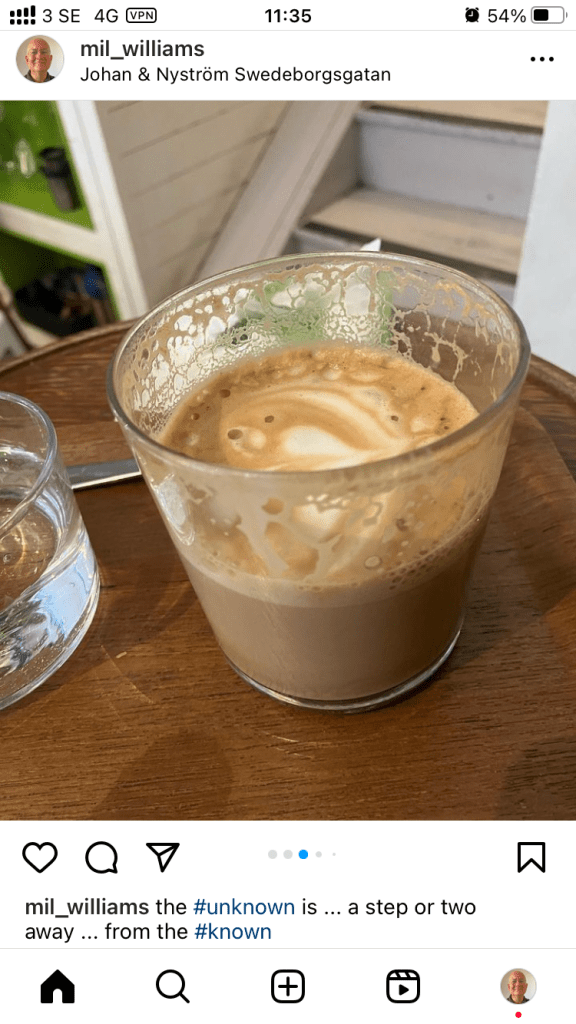
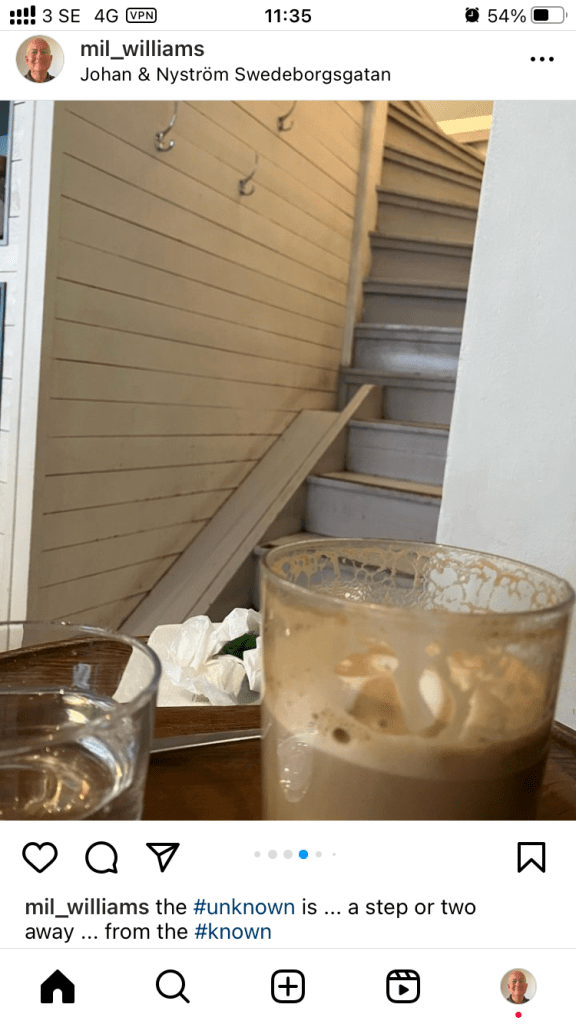
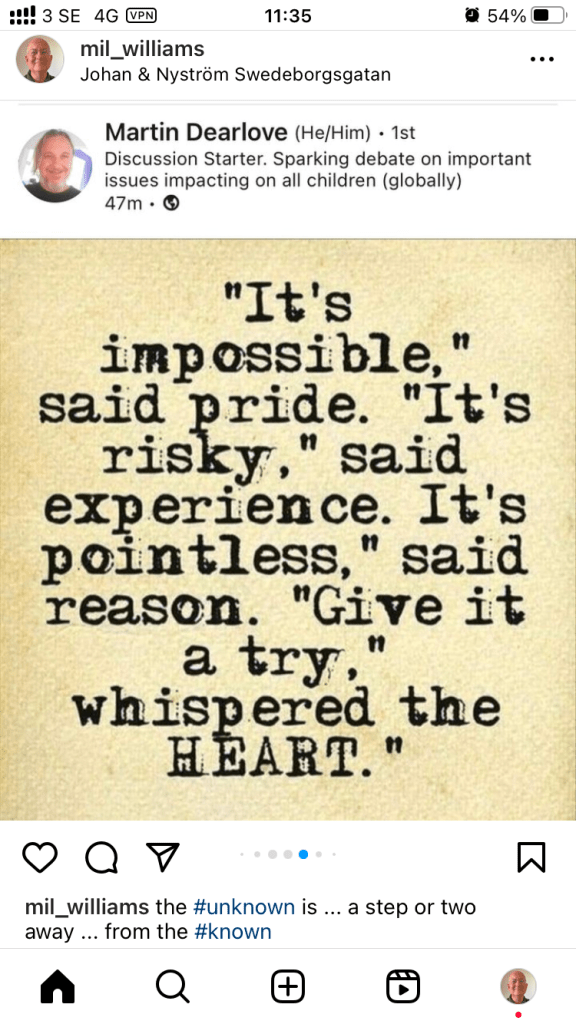

why nudge in this way
is this a stealthy attempt to remove the ambiguities of #arts-based thinking patterns from contaminating the baser #chatgpt-x instincts and what they scrape?
more than personally, quite intellectually i think it’s wrong — in a world which needs lateral and nonconformist thinking — to define, a priori, what a thinker who wishes to shape a better business should use as a primary discourse.
because this discourse may include how much we follow or no the traditional way of framing information: where we state what we will say, say it, and then summarise it, we fit the needs of machines and people trained to think like them.
art should be used to communicate in any forum
‘truth is, when we choose a precise ambiguity (one forged out of the arts — not the confusions — of deep communication), where such ambiguity and the uncertainty it generates may in itself be a necessary part of the communication process’s context — and even content — what value ever is added by telling the speaker and/or writer they are ineffective?
in any case, the public will always have the final vote on this: and if you prefer to communicate in such ways and be not read, why not let it happen?
why choose this kind of nudge to upskill writers in the ways of the machine?
using automated machines to do so, too …!
so what do YOU think? what DO you?
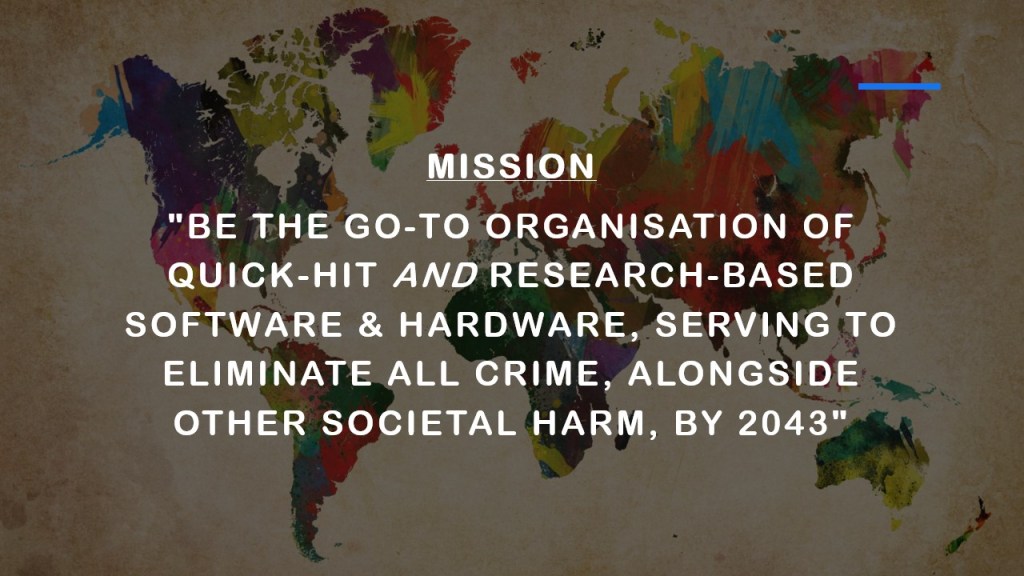
me, what follows is what i want. what no one in tech wants to allow. because i’m not first to the starting-line: i’m last. they decided it didn’t suit their business models decades ago. i decided i didn’t agree. and i still don’t. and neither should you.
on making a systemically distributed intelligence and genius of all human beings … not just an elite



















 mil's page