

introduction:
do we agree that creative people have neurotypical brains or neurodiverse ones?
let’s say, without any evidence being presented to hand, that they are more than likely to be tending to neurodiverse.
so.
what about creative criminals?
will they more than likely be neurodiverse — or just plain old simple neurotypical?
will they prefer to conform or disconform? will they keep things ticking over collaboratively and constructively? or do they prefer to break things when doing so serves to reward them with ill-gotten gains?
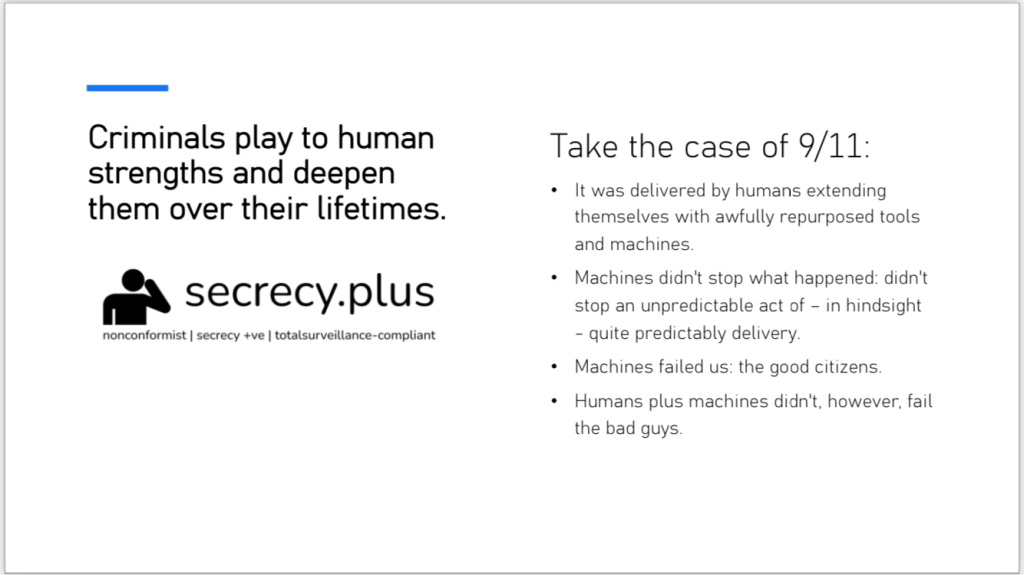
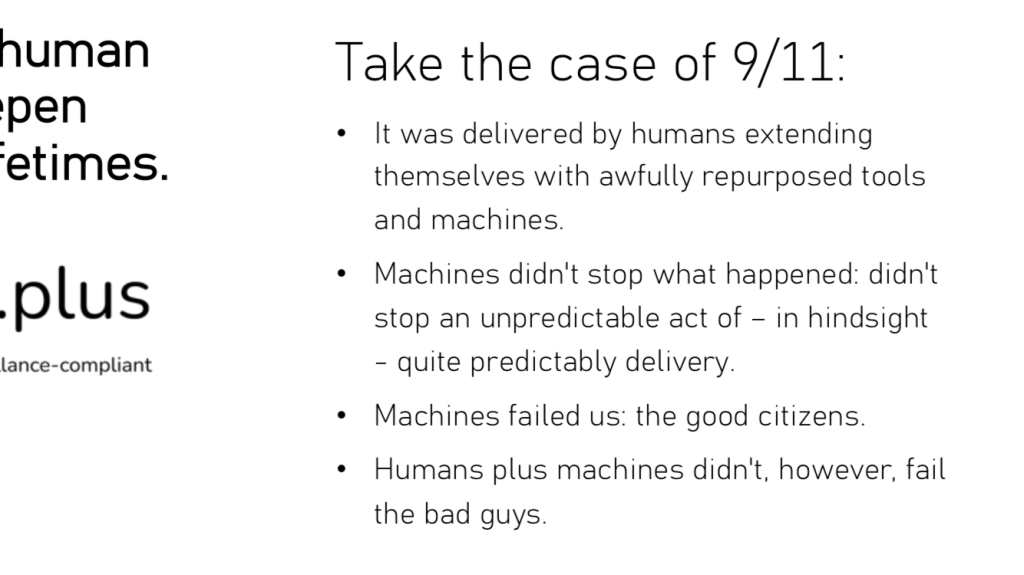
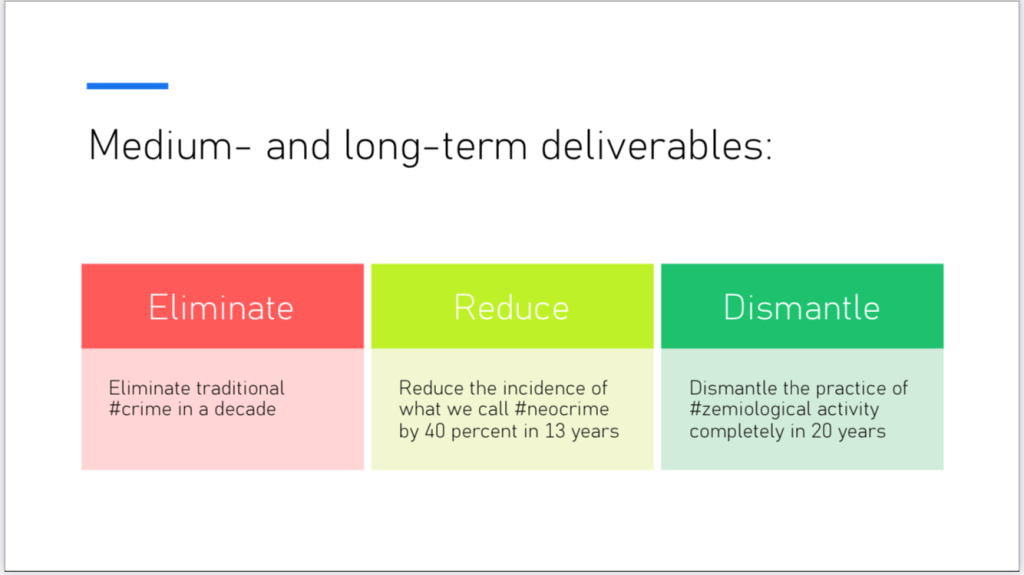

you know i’ve been right all along. and it’s hurting so much you’d rather leave me in the hell of your denial than accept i am right, in order that then we could do something about it by changing some of the direction of law enforcement and national, regional and global security.
though not necessarily the whole of the process at all. i’m not advocating this; never have either.
more of this in a bit.
neurodiversity, criminality, crimefighting and the real problem
if criminals — like artists — are more often than not neurodiverse, and machines — like #it-#tech more generally — deliver neurotypical environments where rules and regulations aggressively must regulate and rule everything we do when we inhabit and work in them, how on earth will what we do in global, regional and national security and law enforcement ever completely be capable of preventing even a minimum of creatively criminal acts of the highest criminal order?
the ones, i mean, that shake civilisations and their historical development …

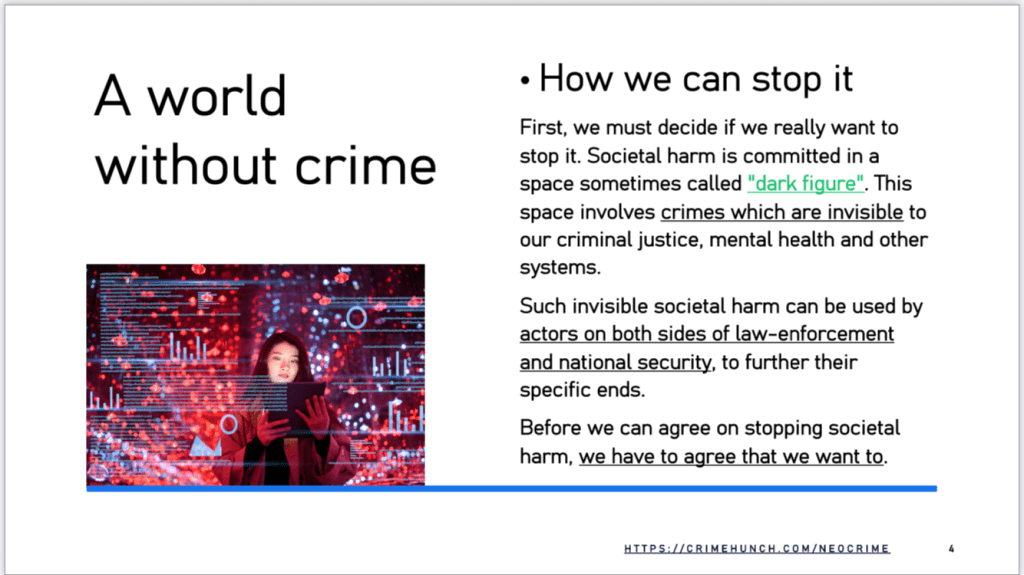






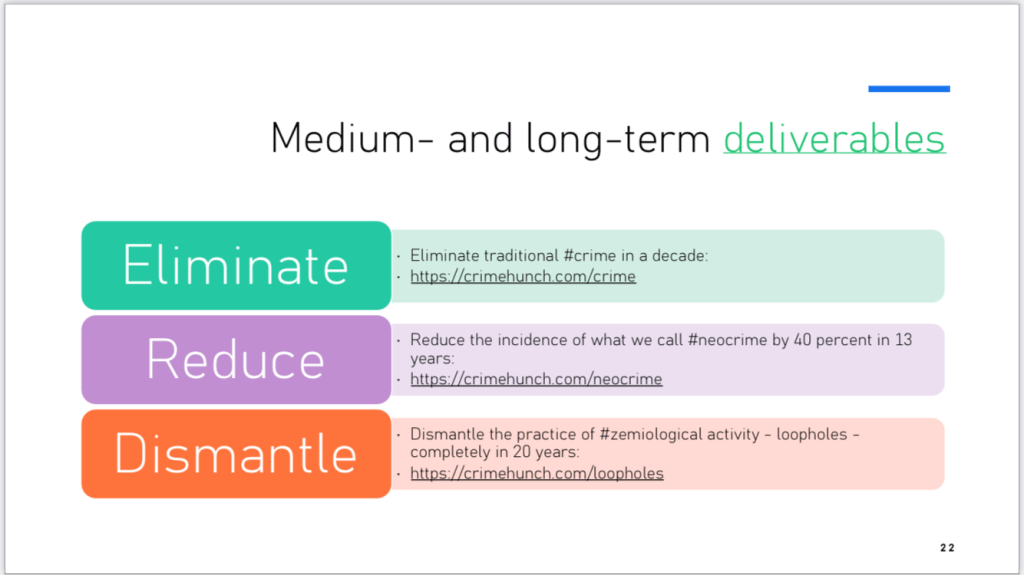

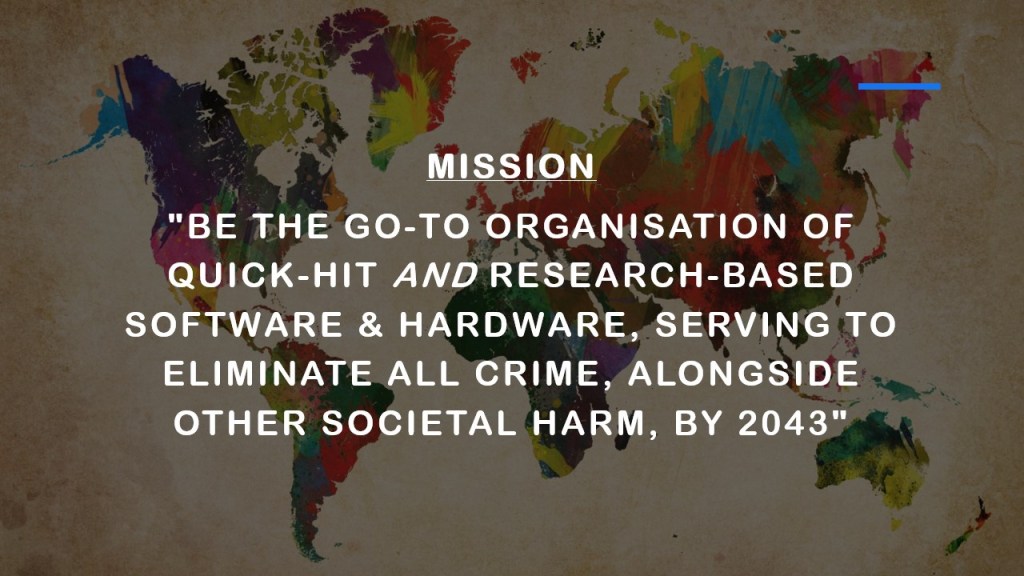
traditional it-tech … what do you think?
this is the big question of today’s post:
is traditional it-tech made in the image of the freedoms of neurodiversity or the strictures, rules and regulations of neurotypicality?
mil williams, stockholm sweden, 13th april 2023
if machines are more neurotypical than not, and creative criminality is more neurodiverse than anything else, where’s the judiciousness we will have demonstrated to be operating here when we choose to use machines plus more than likely neurotypical humans — that is agency operatives who are focussed on applying rules and laws (and quite rightly, too)?
how will we be ever able to fight neurodiverse creative criminality of the 9/11 sort — especially when now applied to the deepest digital cyberspace, to dark figure, and to neocrime — if we don’t use newly neurodiverse crimefighting humans enabled by the radically neurodiverse software and hardware architectures i am now advocating in the complexify.me workstream?

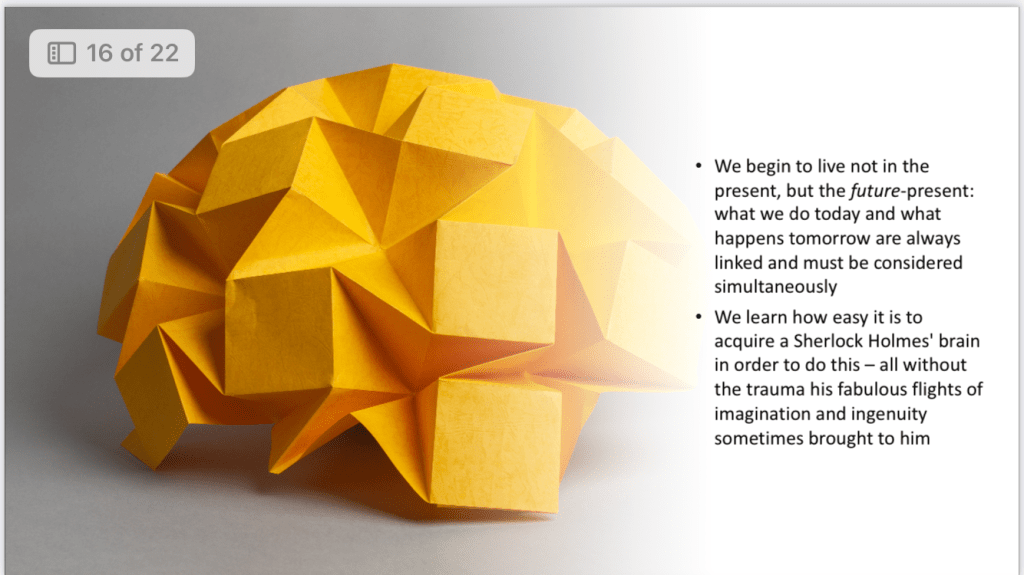
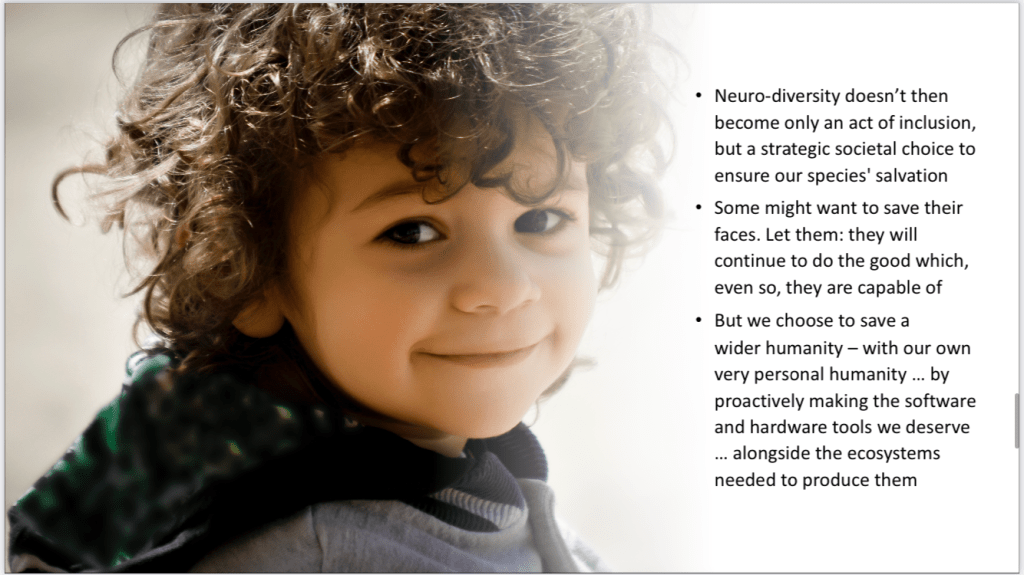

and to be delivered in the following order — humans (maybe neurotypical and neurodiverse) first in the workflow, supported by machines in second place; not in the traditional order — machines which spot and spit out largely neurotypical (even when obviously mega-) insights to support equally neurotypical humans …
look.
don’t get me wrong, please. we need neurotypical: we need conformists more than any time in our history. we need people who just love to pursue those who don’t follow the rules and laws that provide the best foundations for civilisations and societies we’d all wish to be proud of again. people who love to apply these legal figures with due and appropriate process. people you’d trust with your youngest children. people you’d trust with your life.
but we need neurodiverse colleagues; so much, too. nonconformists in every breath we draw, so we may all become better able to pursue bad actors imaginatively, and therefore finally — on equal terms and learning how to properly fight fire with fire — we properly police this space we call digital: a space which has become almost infinitely malleable … and so intimately present in our lives now that we are not even safe when we drink a coffee in our local coffee shop …


 mil's page