On acquiring an osmotic skin of true love

Good morning all.

Yesterday I posted the below on LinkedIn:
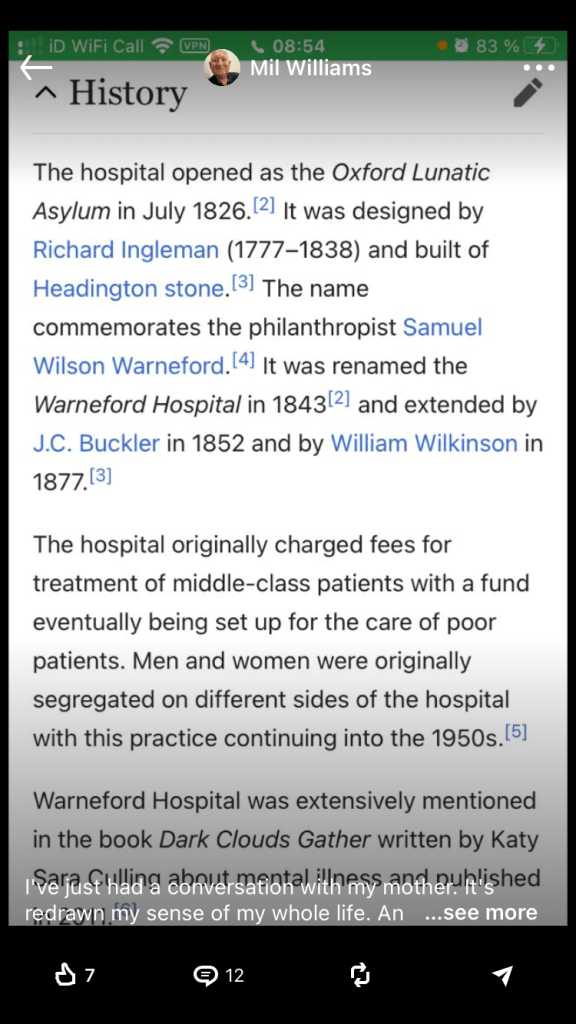

• https://www.linkedin.com/posts/mil-williams_ive-just-had-a-conversation-with-my-mother-activity-7108004021184950273-6mxc?utm_source=share&utm_medium=member_ios

I’ve just had a conversation with my mother. It’s redrawn my sense of my whole life. And therefore of myself.

Nine months after I was born — my birthday being the 16th of June 1962 — I was placed in a secure facility in Warneford Hospital in Oxford. I was there for a month: so not, in the end, the only occasion I was placed behind closed doors, after all.

My mum was suffering at the time from acute post-natal depression. I knew already that in 1968 she had received electro-shock treatment. What I didn’t know till today — because I had never been told — was that at the age of nine months I stayed with her in the aforementioned hospital, whilst she underwent a course of eight separate electro-shock events.

However, the seventh one went really badly wrong: she had such a painful headache as a result that she passed out. They tried to explain; but faffed, tbh. Her words, not mine.

So she refused the eighth, and after a month in Warneford, we left.

She’d married my father in 1961, but couldn’t recognise him during those weeks in 1963. I wonder now if at the time she was able to recognise me … or perhaps not at all.

Or not clearly enough for it to make any difference.

And then if not, when actually it was that she finally became able to remember and know me — her son — again.

Yes. It’s important to speak to people. You don’t know what you don’t know. And others, even close others, might never know what maybe you did need to have known, but didn’t get the chance to comprehend ever.

Because history is important, and people who tell it well are dangerous. Telling history right is a subversive act, too.

In this case, though, maybe a healing act more than anything else.

I am closer to my mother now than I was half an hour ago. And half an hour ago we had already been as close as … well … thieves. Thieves not of trinkets or jewellery or gold: thieves, rather, of our truths.

Because I see I was broken for the rest of my life because I see she was broken on becoming a wife. And no one of any decent mind can attribute any blame to the broken for breaking another. And here, though it’s still hard for me to admit, I really must include my father as well.

And so I am at peace.

And I know today … so is she.


I’d suggest you went to the original post, too. The comments are some of the most valuable ones I’ve ever had.

Anyways.

Today, just this last half an hour or so, I’ve been thinking now: reflecting on fallen veils.

‘Had the night to do so. ‘Reasons to do.

I once worked with a beautiful mind whose job was one-to-one in a local prison. Their goal, their unique and only goal, was via a personalised conversation over a period of sometimes lengthy time to help a prisoner find their core: what had driven them in their life to do good and what had driven them in their life to do not so good at all.

I’ve had a lot of therapy in my life, tbh. Fits and starts: either ameliorative which is an excuse for not addressing a clearly systemic challenge at the same time; or attempting to find core whilst never being able to.

Along the journey this has taken me I have wondered whether a lot of people, who manifestly chose to hurt me, were the cause of my melancholia or the result of it; that is, that their behaviours were the result of my own and the blame was better located in me, or instead that their acts served primarily to deepen my core — at that point, for me, still undiscovered — and therefore meaning the blame for all the pain still present in my daily life, even today, lying equally deeply with them.

And so after yesterday’s conversation with my mum, I realise this morning on awakening just three things:

1. This thing that was revealed yesterday in conversation with her is my core. A nine-month-old baby suddenly not recognised by his mother. And living for a month with this very same mother I continued to recognise for sure, even as she could not see herself to consistently providing the flicker of reciprocation, that in its presence makes a life and in its absence breaks a young heart. This is my core: why rejection is impossible for me to survive, never mind thrive after. Rejection of any kind in any area of human endeavour: rejection by all in the smallest of ways, too, wherever.

2. If you cannot work out how to thrive after rejection, everything anyone does to you will be interpreted sooner or later as being such. And the people who have most broken me since … well … most of them I still believe did it deliberately. Businesspeople who chased me in bad faith whilst manifesting a superficial good; a lover who knew only how to shame and ridicule and pursue and condemn and gaslight me over decades, and who never ever let me be free — not even to this day; and then again, half of a family that knows only button-pressing and knife-twisting, yet is capable of calling it “simple advice”; and still more re a security state — that of my homeland — which decided early on I needed neutralising, and when I didn’t kill myself, realised reputational disgrace was the next best thing; and finally, maybe worst of all, all those people who stood by all those decades, so many of them on all parts of political and sociocultural spectrums, in full knowledge of what and who was doing what to whom … in full knowledge of the pain being deliberately delivered.

3. And yet my final insight is this: spending a month in the same room as my breaking mother, with the hospital-smelling, former lunatic asylum breathing down our necks all that time, isn’t a matter of assigning blame. My mother broke me that month for the rest of my life; but she was broken by my father the year before; and he was broken by a bullying upbringing that had failed to treasure what in hindsight should’ve been a beautiful gender- and neurodiversity. And so it reaches back … so it reaches back.

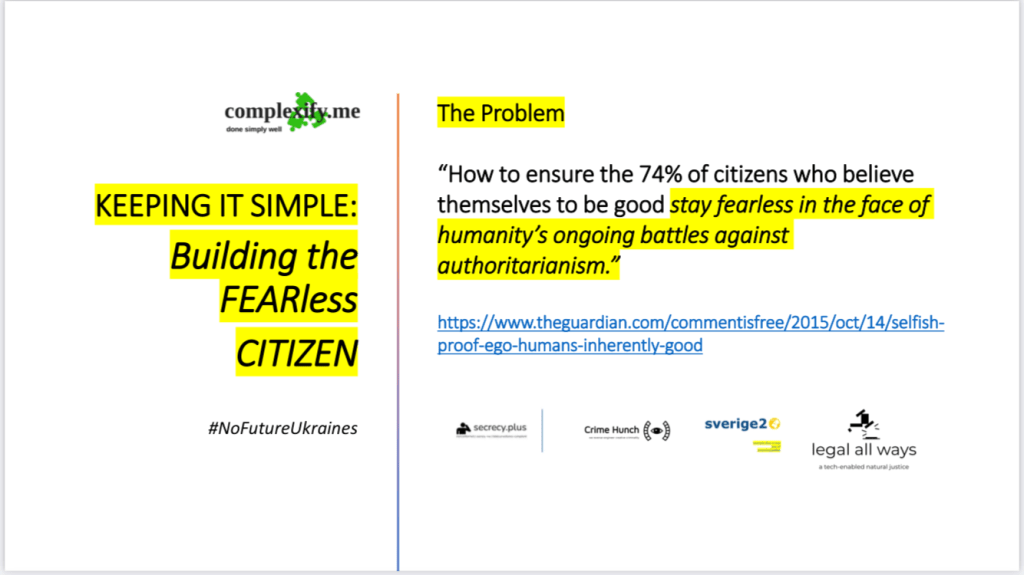
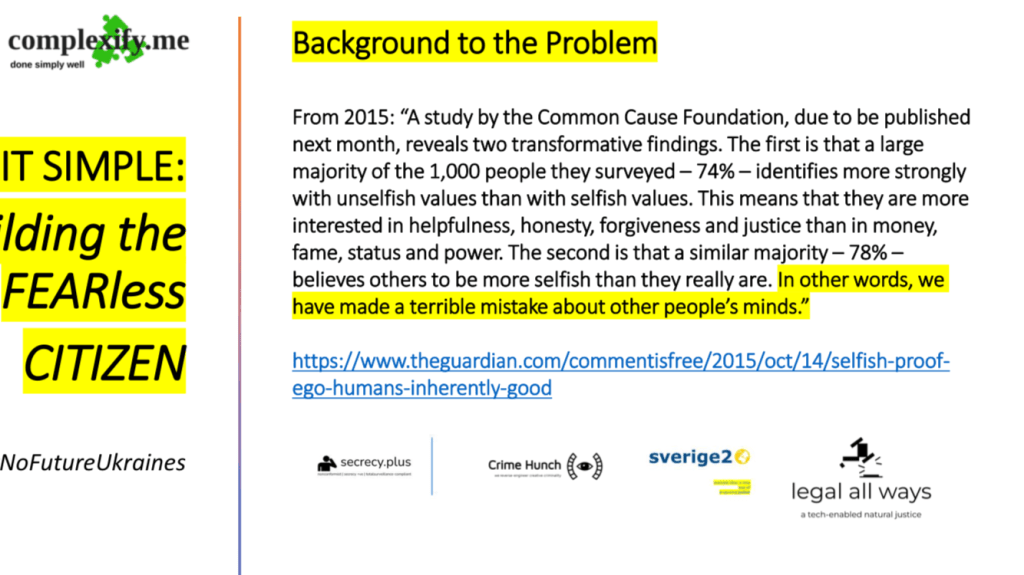
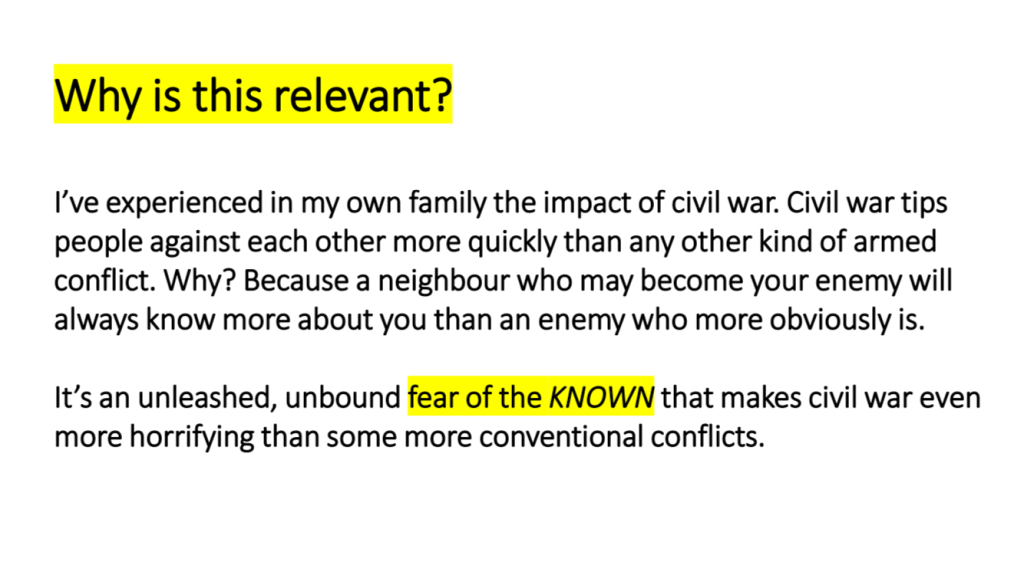
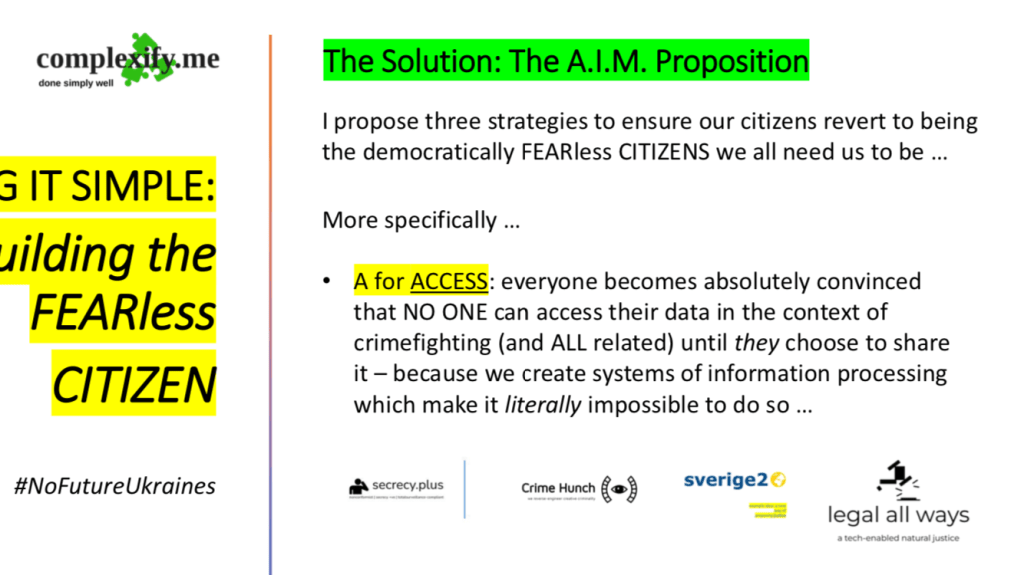
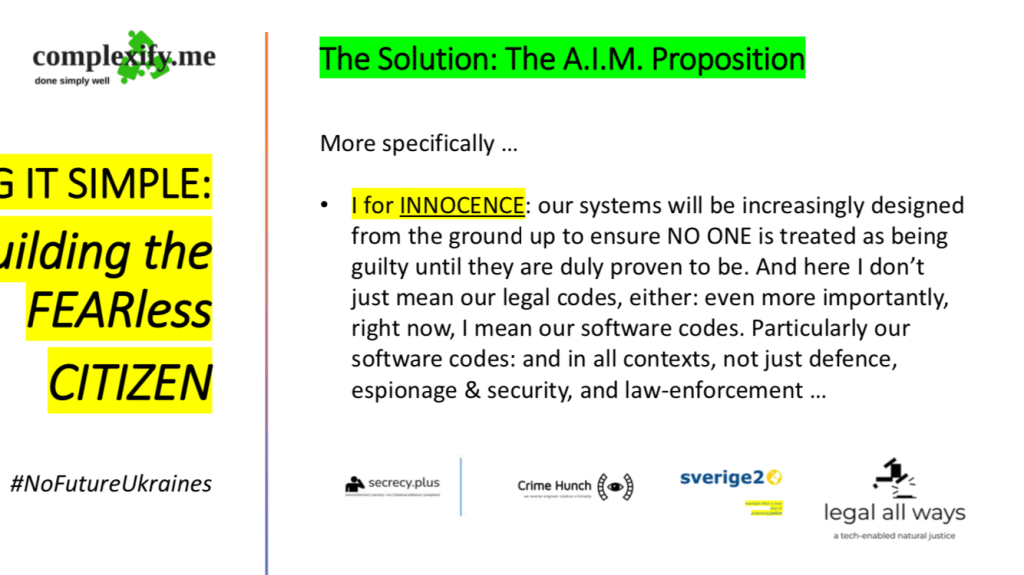
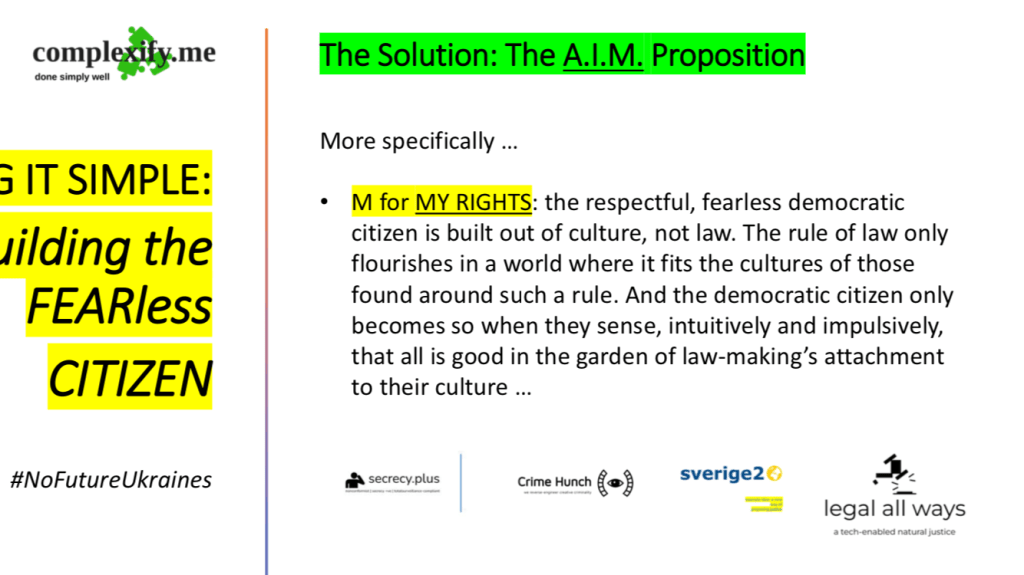
On building the FEARless CITIZEN …

And so this, then, is where I am: where I find myself this morning. All the people who hate me now, and have actioned so much deliberated ill on me all my life, maybe since birth too, will find plenty of reasons for them to continue kowtowing to their hatred: still profoundly embedding in their deepest places.

I, meantime, realise equally now that what I need to do is accepting that this thing we call rejection is my core — because for a month all I experienced was the deepest kind: that of a mother blanking her baby — my future job must then be to find some way of acquiring a different skin: but not a thicker one … no.

Rather, an osmotic one that leads me to manifest much more finely and grandly and enthusiastically that better capacity to love everything human, which our humanity today so sorely, so surely, needs.


a label i now accept the need for

introduction:

there was only one kind of label that ever sounded positive for me during my life. because my parents labelled me and my siblings all our lives. and to our detriment: to diminish us.
labels can be shortcuts to understanding; or they can be machetes to slice a man into the dismembered state he’ll never be able to recover from.

background story:

in 2003 i was labelled and dismembered by the british state: i was judged a paranoid schizophrenic. it was a judgement: perhaps even a judgment.

they incarcerated me for a month and attempted to ensure i believed all was lost. two weeks after leaving my state of incarceration i was working fifteen- to twenty-hour shifts at mcdonald’s. when my social worker had assured me i would be fit for no more than maximum two hours a week voluntary activities for at least two years.

i refused to be cowed by this label: i am not made of the kind of stuff which will.

so as a young democratic citizen who grew up on the battlefield that was his parental marriage and relationship, a life-changing label was also finally applied by the country he had been born to.

nowhere did justice reside in his experience of life.

what happens when the label is right:

the label was wrong: and this i shall sustain to this day. why only one kind of label has sounded at all positive during my time on this otherwise beautiful and precious rock: that thing we call “designer labels”.

even here, they may be tinged with an injustice of sorts: privilege, and so forth. but i am generally generous to these kinds of labels and privileges because they are a form of art: real art. the clothing of human beings in pleasurable and expressive ways might not socioeconomically be within everyone’s reach — but neither is a picasso or a rodin.

what happened yesterday:

yesterday, however, i continued — like a plane’s circling of a crowded airport — my slow approach to the idea of being labelled … only this time in good faith, accurately and professionally competently.

first of all, i had occasion to read the below:

https://www.linkedin.com/pulse/when-introverts-rebel-joanna-rawbone-msc

before we continue, i’m not saying this is necessarily my “rosebud”, but as a process to getting closer to fairly starting to unpick my enigma, it’s not a bad place to begin.

second, i’ve been in sweden on and off since just before christmas. the swedish are generous; not malicious. they are watchful; not cautious. they are incessant, though not obsessive, gatherers of data of the world around them; they always know when they still haven’t got quite enough to take a rightful decision. and they are, in the main, kindly and aspirational; not ambitious in a trampling way.

my sister was accused of bad parenting for just about seven years by the english & welsh education system. her two children are super-intelligent: the brightest buttons and shiniest souls i have ever seen. the education law in england & wales makes it impossible for a parent to get a proper medical intervention when behavioural issues show themselves — unless and if the school agrees it’s not bad parenting. for seven years the two schools she had to interface with refused access to doctors. under this law, you cannot get access to a consultant for your own child even via their gp.

now it might occur to you to think maybe my sister didn’t know the truth about her own children. she doesn’t claim to, either. she never has. she did know that she didn’t have enough tools to deliver on the sacred joy and duty of being as good a parent as she wishes to be always.

i do have to say at this point, however, that she is a qualified psychologist and counsellor under uk systems, various. she does therefore have some privileged understanding and critical capacity in the areas of knowledge in question. the schools in the uk didn’t care. that only made it a more bitter pill for her to choke on.

how and why sweden is different:

she and her family emigrated to sweden a couple of years ago. her children, and wider family therefore, are now being supported and enabled more in a year than seven in the uk.

she has had to accept that to unlock this support a labelling process for her children did have to proceed. but here the process has striven mostly all along to evidence its trustworthiness: that is, its desire to be trusted by all stakeholders involved. in the uk, my experience showed that the british are prepared to use mental health tools as weapons of an undemocratic security infrastructure.

this is why i am now ready to be labelled:

you might immediately say: “surely RElabelled.” but no: you would be wrong. i wasn’t labelled: i was attacked, taken out and dismantled over decades by a security establishment that didn’t like the truths they knew pretty soon i would begin to deliver on in respect of their incompetences, multiple. if, that is, i didn’t have my capacity to bear intellectual and sociopolitical witness undermined profoundly first.

the time i’ve been in sweden is the first time — the very first — i’ve ever been in a country where this hasn’t been the desired end i’ve sensed.

and this is why — in such an environment — i am now fully ready, aware of all the potential consequences — to be labelled duly and compassionately by a nation-state of compassionate and proper citizens and professionals.

because what this will unlock is surely, now, worth its weight in the most precious substance known to humanity: the truth.

www.sverige2.earth/complexify | complexify.me

• download the full presentation (also below) here (pdf)

how to bring absolute truth back into criminal justice … and maybe into public life more widely

introduction:

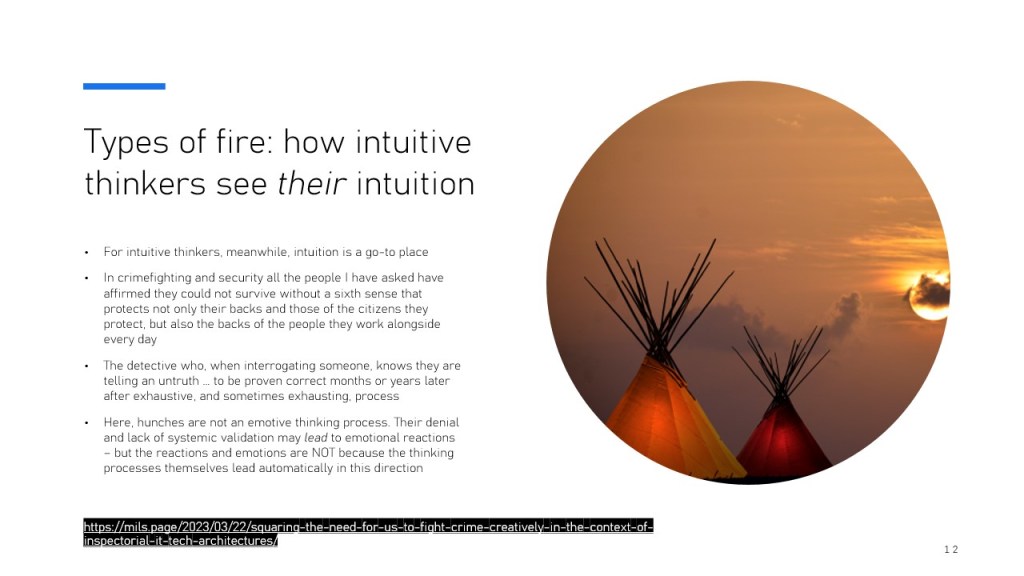
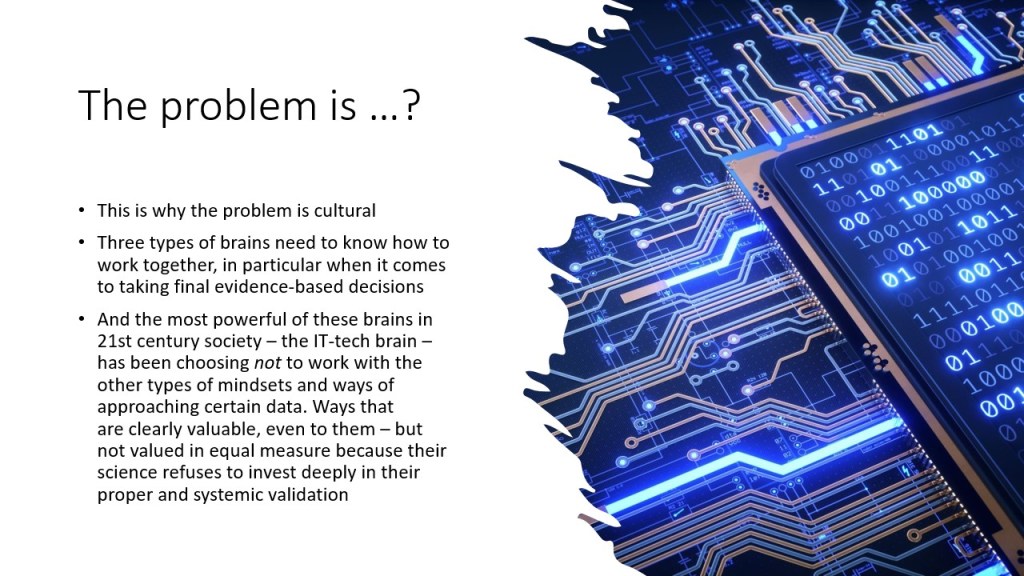
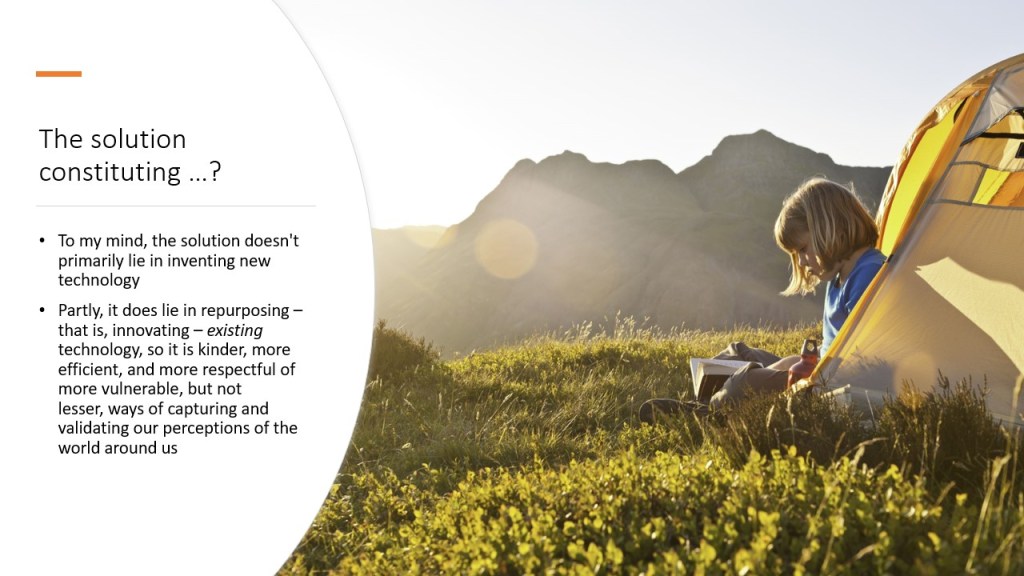
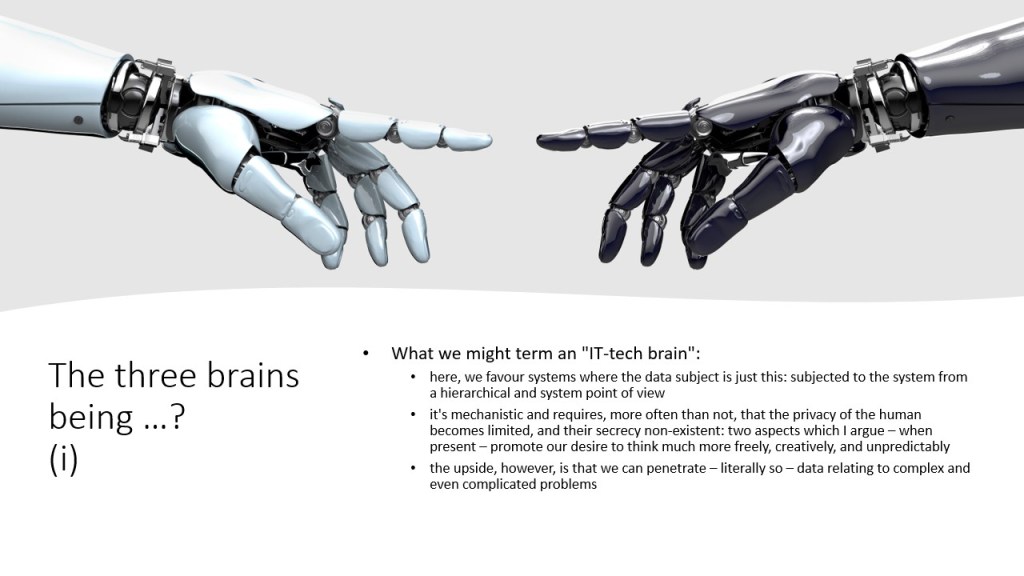
there are two questions i’d like to discuss in tonight’s post. the first as per these screenshots of a previous post earlier today:

in the second image above, i allude to “zero trust” versus “total openness”. and then add, in an addendum written after the original post, that trust is the secular term we have been constructing for a while in the absence of a more religious faith.

‘only thing being that faith presupposes a universal deity of irreplaceable goodness (that’s the deal; why it’s safe to have faith), whilst trust is what we far more imperfect humans do with each other — equally imperfectly.

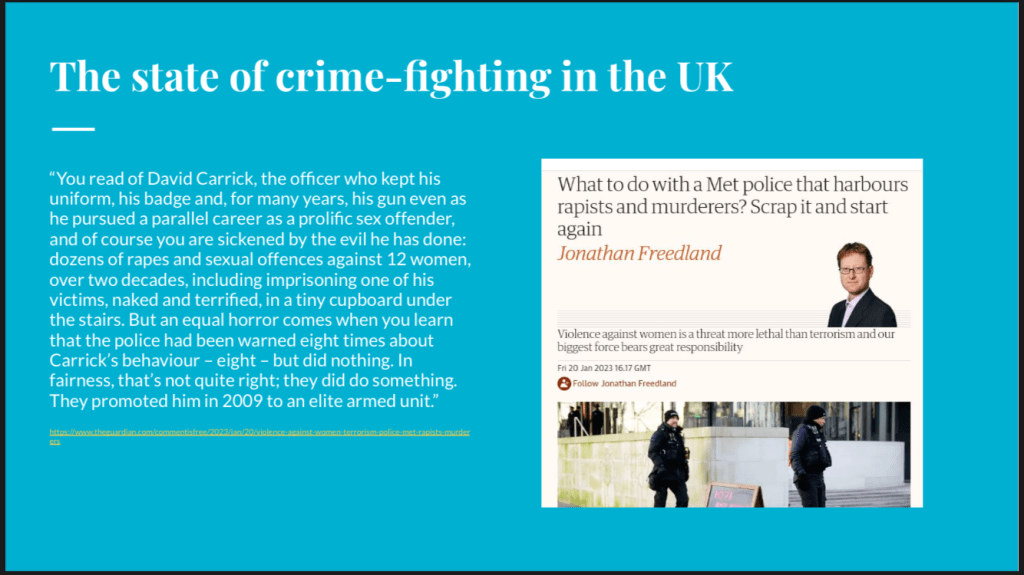
and so we get stories such as this:

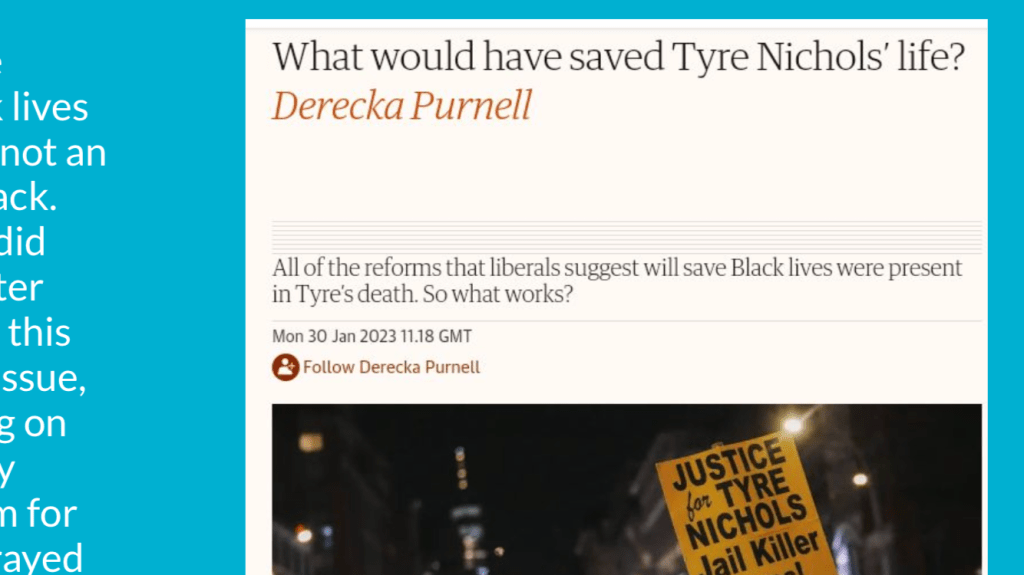
the guardian newspaper, 17th october 2022

and these:

full pdf download of the presentation

relativism — but not what you’re thinking jim

i think a bit of what is happening is something to do with relativist approaches to criminal justice and law enforcement. and i’m not talking about populist rubbishing of 1960s post-modernist belief systems.

i’m saying that, actually, the defence lawyer’s right — and even obligation — to defend someone they’re pretty sure is guilty relativises since time immemorial the concept of absolute truth. and if you don’t like the word “absolute”, how about we say “core”?

i don’t even mean universal truth. i think i already mentioned on these pages that i sensed a profound difference between the ideas of absolute and universal. this evening, someone encouraged me to explain. and being forced to do so in this way served to clarify my own thought with great utility.

the difference between universal and absolute truth

i ended up using the example of the roman catholic church and my mother. for her, her church is part of a wider community of christians. and she is, in the main, well disposed to these other churches and their own manifestations of such christianity. even so, for her the catholic church trumps them all: in this sense, it holds out for a wider humanity the universal truth that is its teachings.

meantime, many others of other religions, whilst subscribing to similar concepts of an all-seeing god, would beg to differ re my mother’s universal positioning of her church.

from their point of view, i’d argue that — more objectively seen — my mother’s truths were what i would now begin to define as absolute truths: that is, particular to a set of circumstances, and criteria clearly too. but NOT universal for everyone.

and if we apply these two concepts to the criminal justice and legal systems?

apply this explanation to criminal justice and to the legal system: you then get a different view of what a “core” truth in such contexts might after all look like.

forget the debate between a relativised reality or no. forget the naughty 1960s versus the tarnished but ever so real 21st century.

let’s move, instead, into the scenarios of universal truth (applicable one hundred percent to all human beings) versus absolute truths (always context-specific).

from reality-agnostic defence lawyers to criminal justice and legal systems with absolute and core truths

in this sense, from the totally reality-agnostic defence lawyer’s position, where core truth simply can’t exist in the debating chamber that is the court of law such professionals usually operate in, we may slowly begin to put together a new set of ai tech-driven validation systems: systems which may, after all, begin to recover our capacity to deliver these absolute and core truths i am differentiating.

next steps: my call to action …

this is how i’d like us to start:

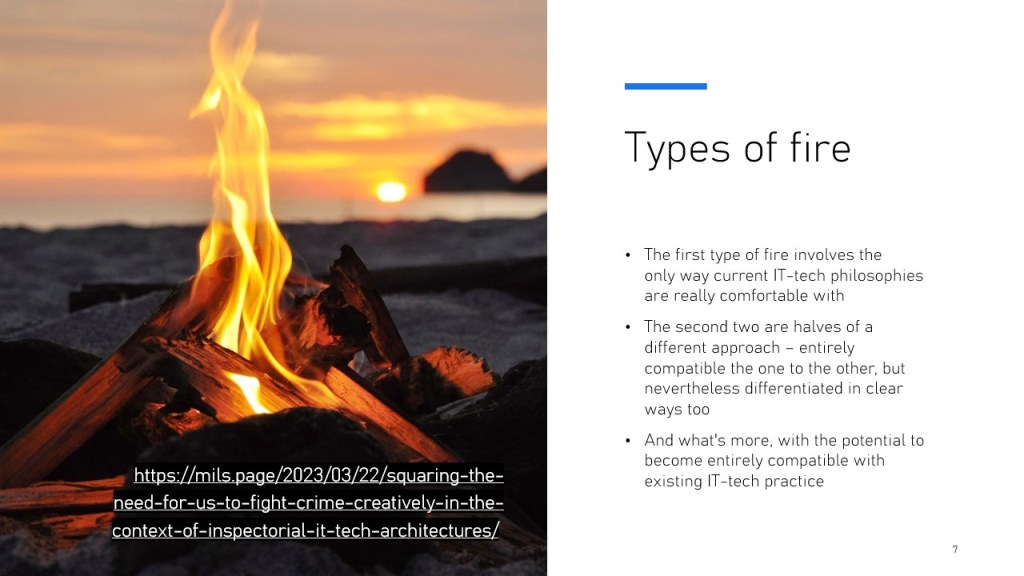
secrecy.plus/fire | full pdf download

positive@secrecy.plus | milwilliams.sweden@outlook.com