“astrids trädgård”: the swedish-located bletchley park

I’ve been note-taking again; yesterday on the tunnelbana (Stockholm’s metro) and today in one particular Joe & the Juice I love because of the jazz playlist you often get in the mornings. The one near Hötorget.

I’ve taken a liberty, too. It may not be the right thing to do: but if it’s not, we can amend and choose something else. What follows I have headed as “Astrid’s Garden”, in its English translation. Because, just as Alan Turing was a man of good genius, and yet had to fight for his right to be himself, so Astrid Lindgren, in a different time, place and culture, chose to fight what she believed in. And like Turing, it was for and behalf of a society which one day might become of the good.


Here is the stream of thought I’ve had over last night through to just after this midday …

me, at the moderna museet recently

mission:

fight fire with water wherever possible; only fight it with fire when utterly unavoidable

1. all the participating organisations achieve representation in terms of the potential and promise of individuals who belong to each.

to achieve this:

we create a bespoke evaluation process which allows us to identify this individual potential and promise in ways no one dreamed of.

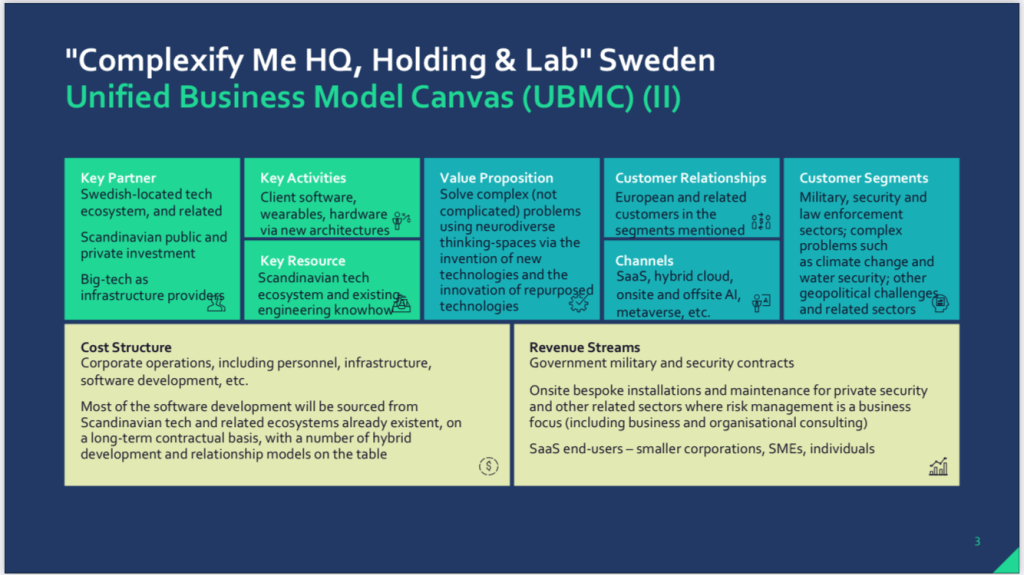
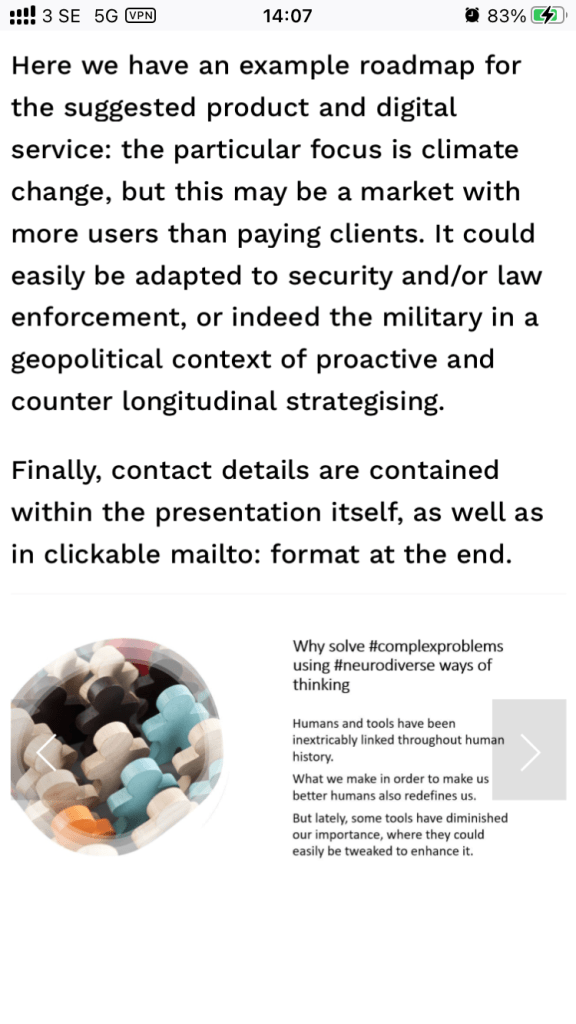
the basis of the project is neuro-diverse complex problems-solutioning tech architectures: hardware, wearables and software all.

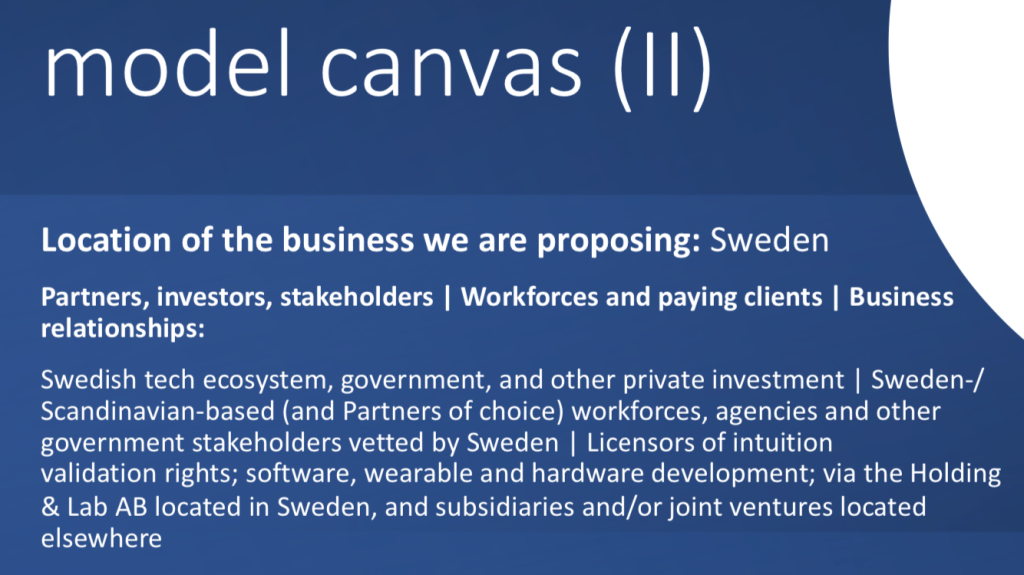
https://www.sverige2.earth/unified


stepped in stages from the first privacy-sensitive structures through privacy-positive and secrecy-sensitive to the final goal: secrecy-positive.

https://www.sverige2.earth/complexify-roadmap


we should spend as much money on people and their brains as we ever will on tech.

why does this feel uncomfortable? when did we ever feel spending massive amounts of money on tech was wrong? isn’t that the purpose of tech — to have money spent on it? ok. well. lots of virtues in that, for sure. but why not feel comfortable with doing the opposite? spending money on people: on our strengths and our capabilities.

https://www.secrecy.plus/hmagi | hmagi.com


why not?

what could it mean?

spending directly, with salaries that allow for correct, humane, and moral conditions and sustenance; and then supportively, re technologies that upskill, expand and enhance the capacity for — ultimately — a wholly secrecy-positive “pure thought” that each person chosen will be chosen for because they already bring it – in more or less raw state — to the table at the start.

the projects and workstreams will then be enabled to first drive with efficiency (that is, leading to hyper-nonconformist hyper-performing person-focussed inside-out tech always) but along the way also creating regularly and inclusively (that is, what i have already conceptualised as hyperteam-delivering tech) as the programme progresses.

https://thephilosopher.space


2. the goal is, however, also unremitting. completely so. as completely as the uk’s bletchley park during the second world war.

the targets as twofold:

a) bad actors; and b) preferred outcomes

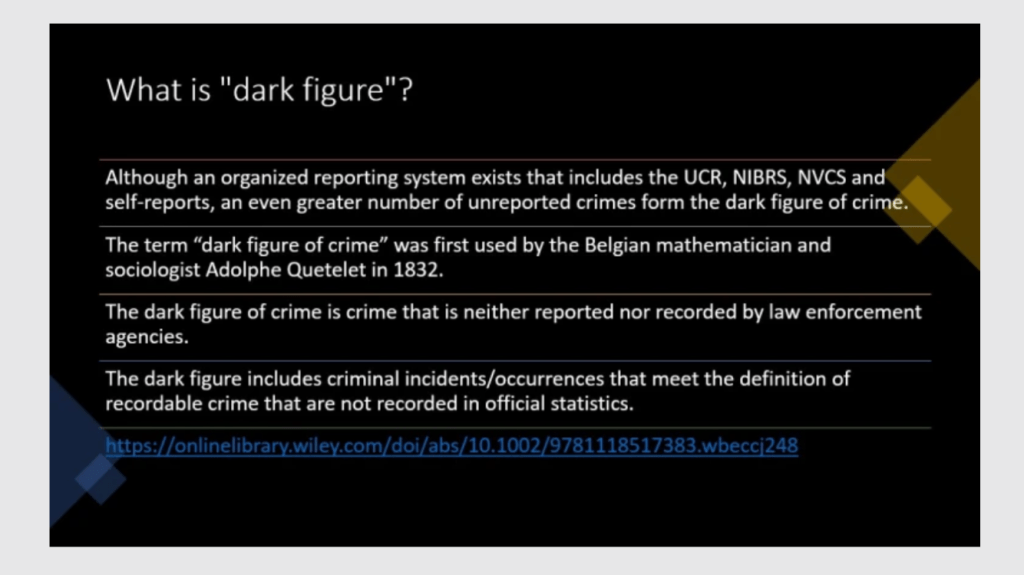
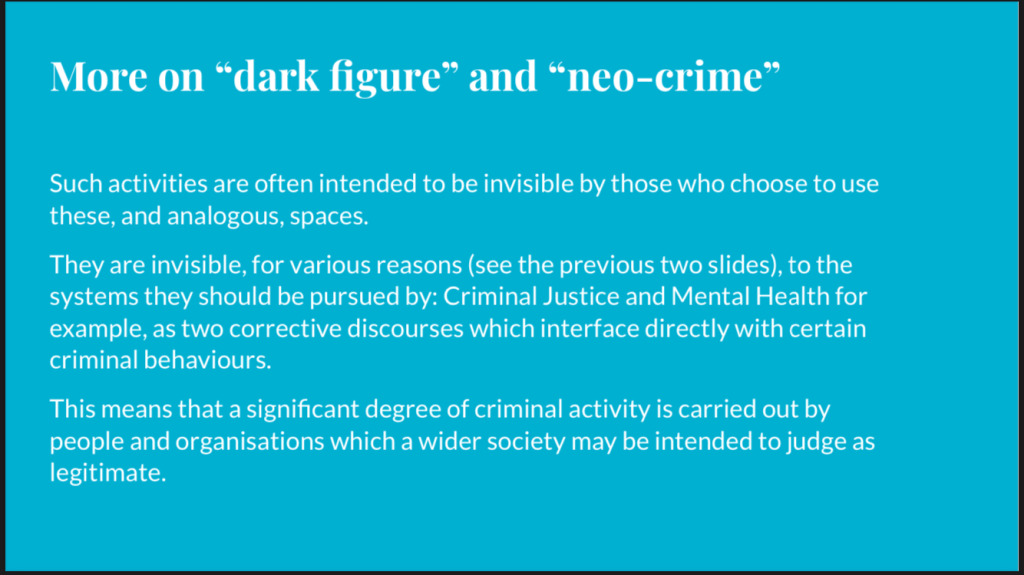
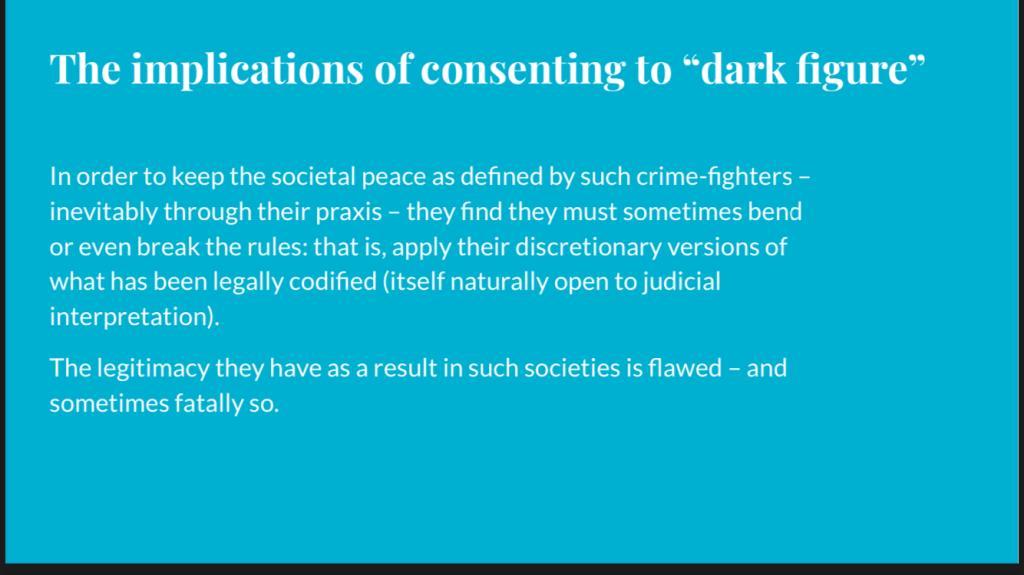
a) the first target will focus on russia and china, and others who have, equally, allowed the criminality of the aforementioned to embed itself longitudinally throughout these years: from the russian wealth and war-focussed revenue streams in the uk alongside the collaboration at, and of, all levels of the conservative party to the chinese “police stations” spreading across supposedly sovereign britain and europe, with huawei and others as pure extensions of the chinese government’s aims to install surveillance within our internet backbones, never mind on phones, devices multiple, and so forth … all these are all examples of what i have called neocrime:

https://crimehunch.com/neocrime


things we don’t see or even imagine until usually their creators have moved on to something else, at which point they lose interest in ongoing concealment. because whilst concealment exists, it happens for one reason: those committing such criminality are clever enough not to need to show anyone, ever, exactly how clever they are.

so we simply remain unaware, thinking “random” or “life” or … whatever.

3. astrids trädgård must therefore exist to anticipate, scope, identify, protect, and serve the interests of a real, good western democracy.

there is more we need to focus on …

b) in the best traditions of the united nations, we don’t only focus on detail, which is often passing. we focus also on the overarching and inalienable: the universal; the unchanging … literally and figuratively.

this is why i would add to the word “unremitting” already introduced one other word:

4. when we are able to fight fire with water, the word already mentioned. but when fire is our only alternative, then perhaps from a related org not open to astrids trädgård personnel themselves (for everyone’s mental wellbeing and sense of proportion and focus) we must fight this awful longitudinal fire that led to ukraine in the first place, and is sustained by the joint authoritarianism of russia and the chinese since much longer than we care to realise, with an equally merciless fire of our own.

so … proportionality always:

proportionate always, i repeat: but more than what “unremitting” tells us. and you may disagree, too; we may need to refine; we might have to finesse.

but in all cases, peter levine, the american civic thinker, and one of the most humane humans who ever lived, was right: good democracy demands we be inclusive, yes, but equally … we must be efficient.

https://peterlevine.ws/?p=6359

so if covert spending exists to fund the fire with fire side, then it must have another name and mission quite different from astrids trädgård.

5 however, one thing must remain sharply clear: the final goal of both organisations will thankfully be shared.

it must be thus:

the objectives of both fire with water and fire with fire are to preserve, expand, deliver, share, and educate everyone globally — facilitating, also, that everyone become completely versed re these arts of learner and teacher — in the virtues of what i have seen in sweden these months:

a community spirit built on the absolute sovereignty of what we all hope are ultimately the nation’s most thinking citizens. and with this i mean … everyone in their absolute diversity and dignity to be enabled to express themselves of this diversity.

we MUST, similarly, trust that human beings will prefer their innate humanity over what we see in ukraine, in london’s richest money-laundering centres, in china, in places of similar authoritarianism across the globe — just so many, too many, far too many.

but in order for a human being to prefer humanity over inhumanity when the choice presents itself, we also MUST give the humanity we want to flower the tools to make it possible for all people to FEEL that it’s SAFE TO BE GOOD.

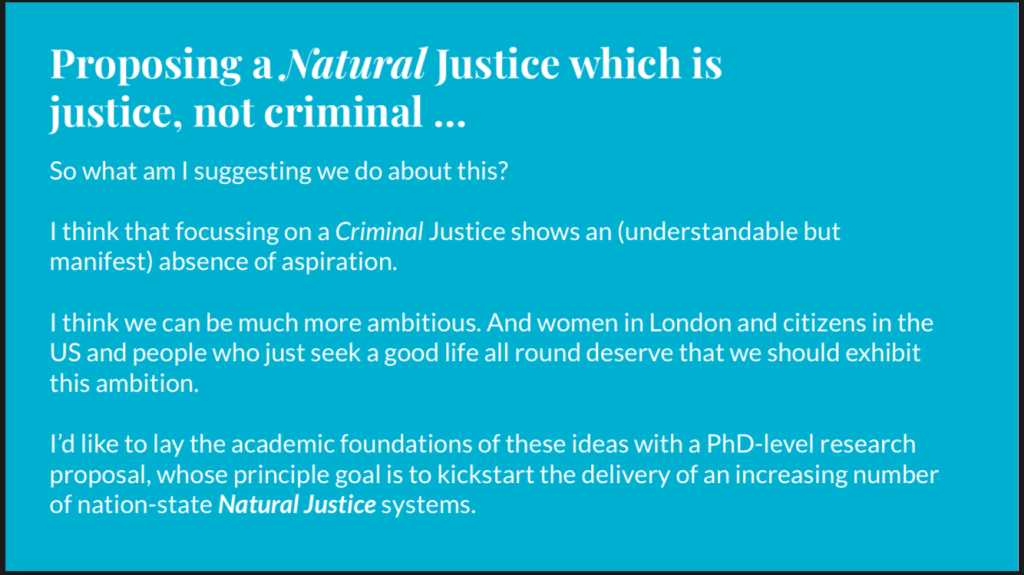
which is why i say: nation-building and citizen-building have to be accompanied by fighting crime and ensuring global security in the ways i will never stop advocating. ways which, to date, we have absolutely never pursued.

i hope this is ok. i hope for many reasons.

and i am always open to debate, to new ideas, to restructuring it all, if the evidence says it must be so.

but i also hold true to the reality that no one believed anything i said for twenty, and maybe more, years … but twenty at least.

and so i cry now not for me, but for the hundreds of thousands, maybe millions too, of other human beings who still aren’t believed in just the same way because we knowingly, negligently, make it possible for criminals (and all similar — including those who advantage themselves of loopholes and zemiological processes multiple) to be far more creative and nonconformist in their criminality than we have dared — ever CARED! — to be in our battle against the same.


one final thought:

just reconsider this.

just one more time.

why are criminals the strongest link in their criminality whilst the security industry consistently sustains the rest of us humans must be the weakest link in security?

https://www.secrecy.plus/fire


it wouldn’t have anything to do with the fact that it’s easier to monetise a widely imposed, machine-based counterforce to criminality than it is to integrate machines closely and sympathetically with the actual needs of the most competent, existent crimefighters we already have.

finding themselves, it’s true, not only having to fight the rampant criminality that leads directly to authoritarian russia and ukraine but also the #it- and #ai-#tech which their manufacturers utterly refuse, even today, especially today, to make supportive of humans as we actually are.

would it?

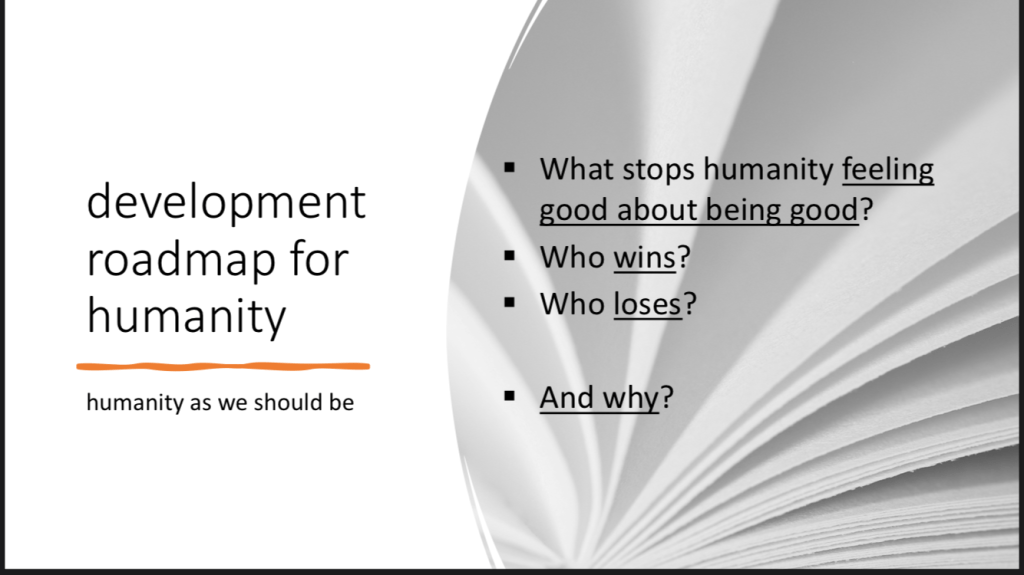
Why is it so hard for good people to stay good?
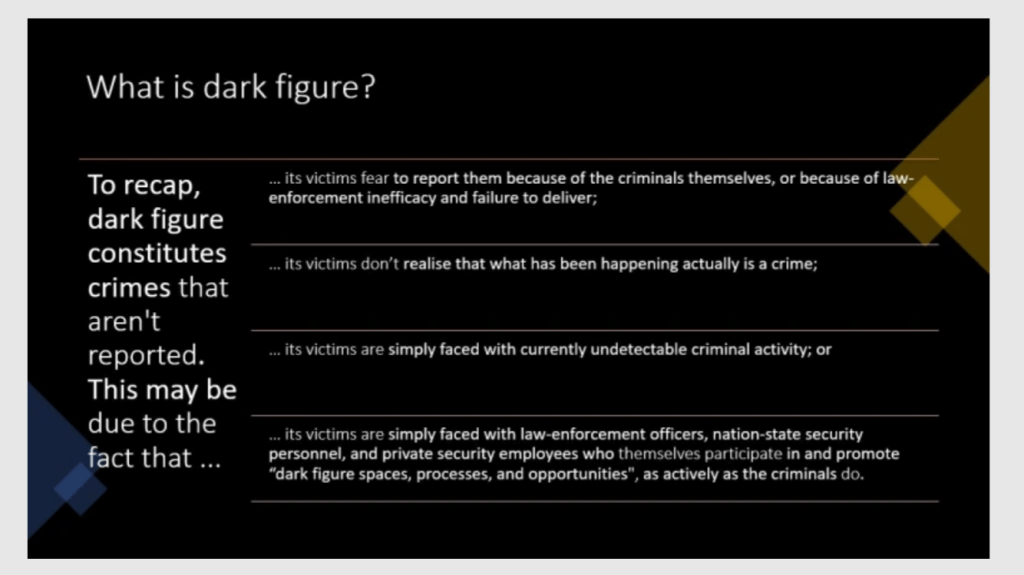
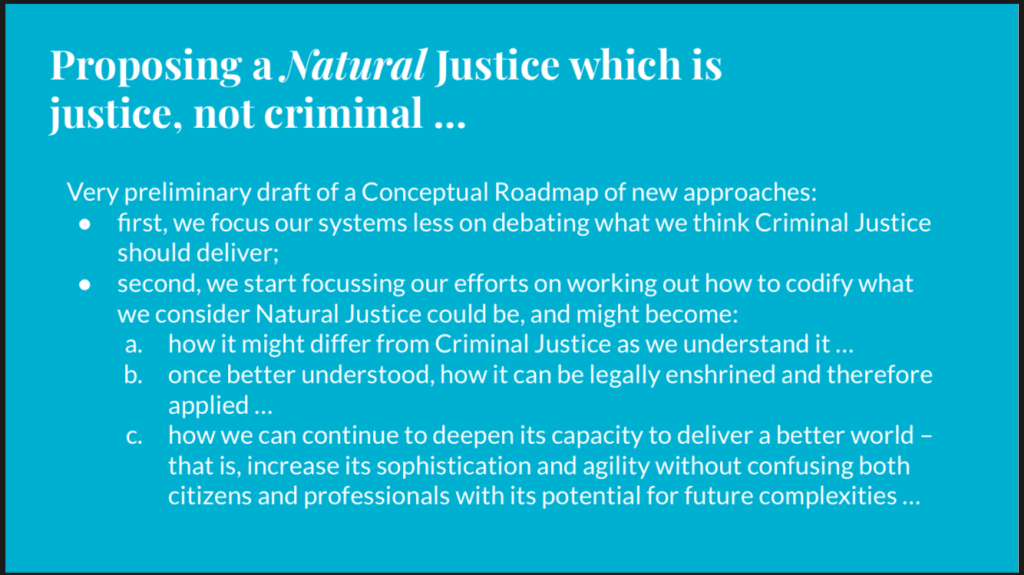
It’s clear that #criminaljustice isn’t working. The fact of #putin’s #russia and its invasion of #ukraine — just one example of how malevolent experts in #loopholes are able to act in the very worst of bad faith — absolutely demonstrates that #criminaljustice manifestly can’t pursue and being to book the most serious #societalharm before it harms in the most serious ways.


Because #ukraine didn’t start the year of the invasion. It started a long time ago when the #kgb man #putin has always been firmly decided that any vestiges of #european hopes that a joint way forwards which might have been found between one side of the ex-#ironcurtain and the other needed to be longitudinally strategised out of existence forever. But also stealthily so: you don’t tell the enemy there’s a knife getting ready to be twisted deeply right in their back.

And so #ukraine was also enabled long-term by the richest centres of power on the planet: transnational corporations which had implemented the original way-back-when command & control #sovieteconomics — top-heavy and hyper-integrated economic structures — which in the age of supercomputers and their capacity to number-crunch in ways the #soviets never even dreamed possible made it possible for these companies to calendarise entire societies over periods as long as decades, never mind the crusty Lada-ridden 1984-style five-year plans.

What exactly am I getting at here?

Some of these corporations have more power than ANY country. Maybe not in the sense of the country GDP versus corporate revenue numbers themselves: but definitely in the almost authoritarian capability they have to make rapid decisions about billions of whatevers; and when I judge rapid I mean virtually from one day to the next.

And, therefore, in this sense in much more immediately impactful ways than any mere democracy will ever be able to engineer.

So this is power: and if knowing you have it you do choose to act, and you prevent #ukraines with your perspicacious even where secretive research data — even if only for bottom-line reasons, forget for the moment the rag-doll babies lying in pools of red at the end of a parent’s counterpane — it’s a massive power indeed exerted for the wider good.

But if conversely you don’t act; if you limit yourself to the role of spectator; if you trim and tack your humongous dinghy so any possibility of encroaching waves remains distant to your ship of shareholder stock … then effectively, when all those immense command & control buttons of the brightest are simply NOT being pressed, you actually are proactively enabling the #putins of the world.

Why is so hard for good people to do good? Really … why?

Well. There’s a thing, for sure.

I read a George Monbiot article in the Guardian a long while ago: it described a survey which said that most of us think most of us are bad people but, equally, most of us simultaneously see ourselves as good people.

Curious, huh?

Some weird disconnect, there.

For me it’s a question of access: the potential whistleblower needs to know their digital notes won’t be read by #badtech people (as mine almost certainly were on the metro this evening); equally, the #abusedspouse must know not only that her husband’s #mafia-behaving business colleague won’t be able to touch a friendly police office for a favour that needs to be called in, but that when it ends up in court and the husband’s word against hers, some kind of fair #tech platform for validating such assertions will also have been invented in the first place, so the pillar of the community he is won’t be able to sway the jury with his mere presence.

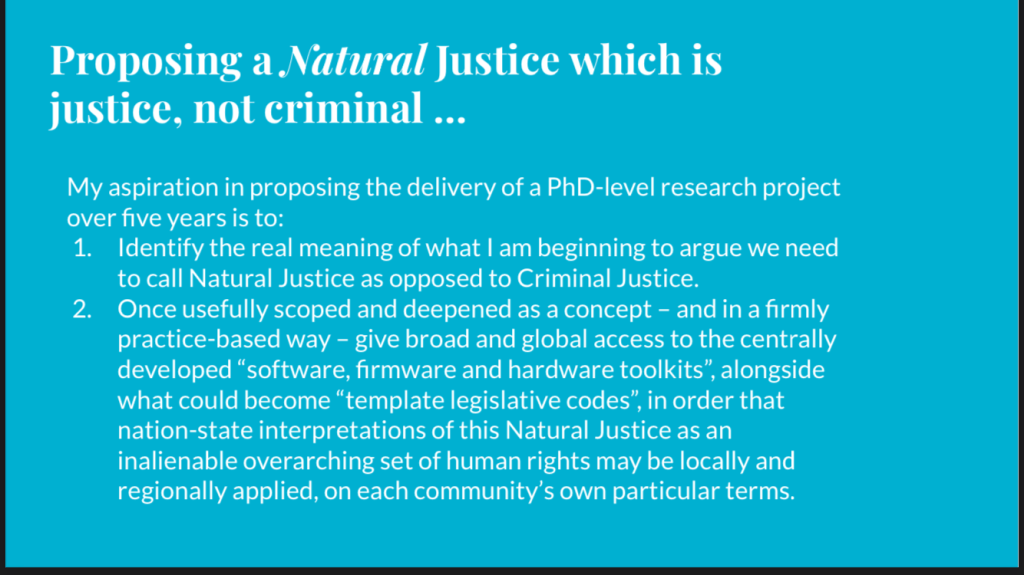
This is mostly why I want The Philosopher Space: so people – ALL of us, citizens and professionals, both — can recover our right to the secrecy of pencil and paper but with the 21st century advantages of digital.


That is, when we’re obliged to use digital, we aren’t forced by the system to strip ourselves naked in front of the #tech experts — as I might accurately observe, 70 percent men — who NEVER themselves have to perform the same humiliating acts of self-discovery.

spt-it.com | www.secrecy.plus/spt-it

WHY be so secretive about #freethinking on rockets?

What if the real reason the #elonmusks of our time are forcing #humans back into physical workplaces is because they know if it doesn’t happen more widely, then their long-existent, highly prized, and presumably immensely costly #secrecypositive thinking-spaces, based in such physical locations, will begin to lose their advantages over what was once a mostly blindsided European tech and socioeconomic sector?

Mil Williams, 9th July 2023, Stockholm Sweden

Background

From the slides included below today:

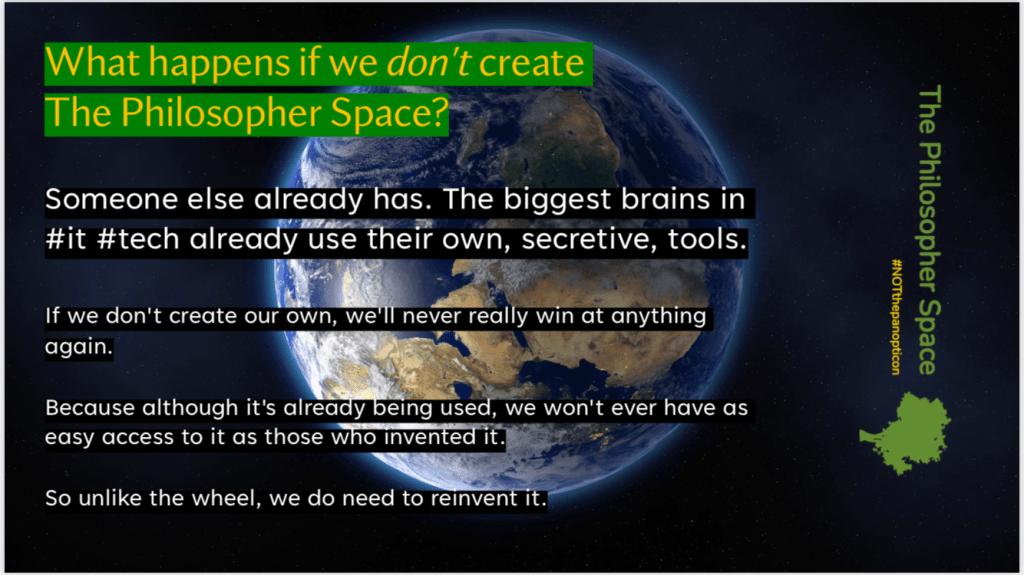
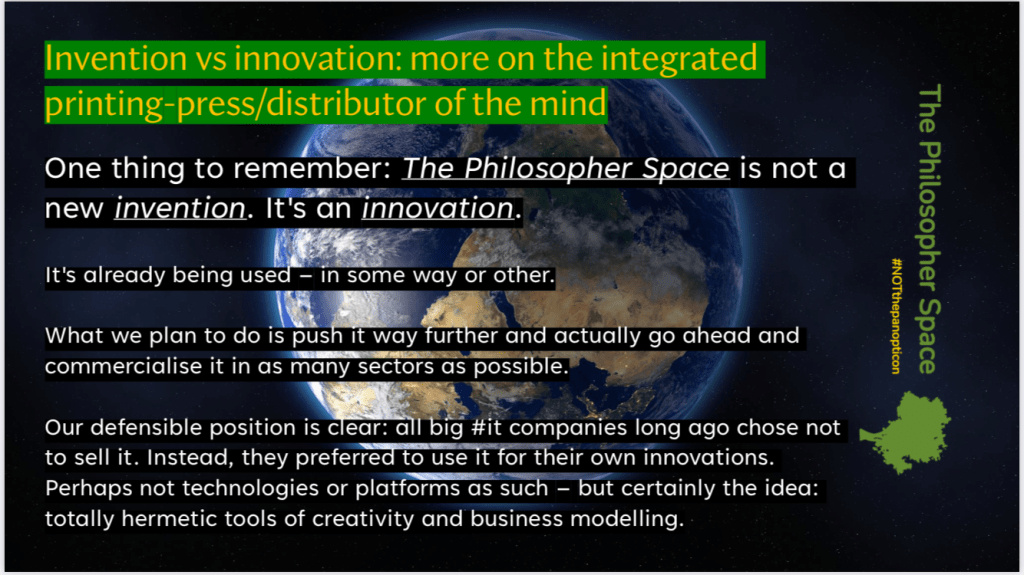
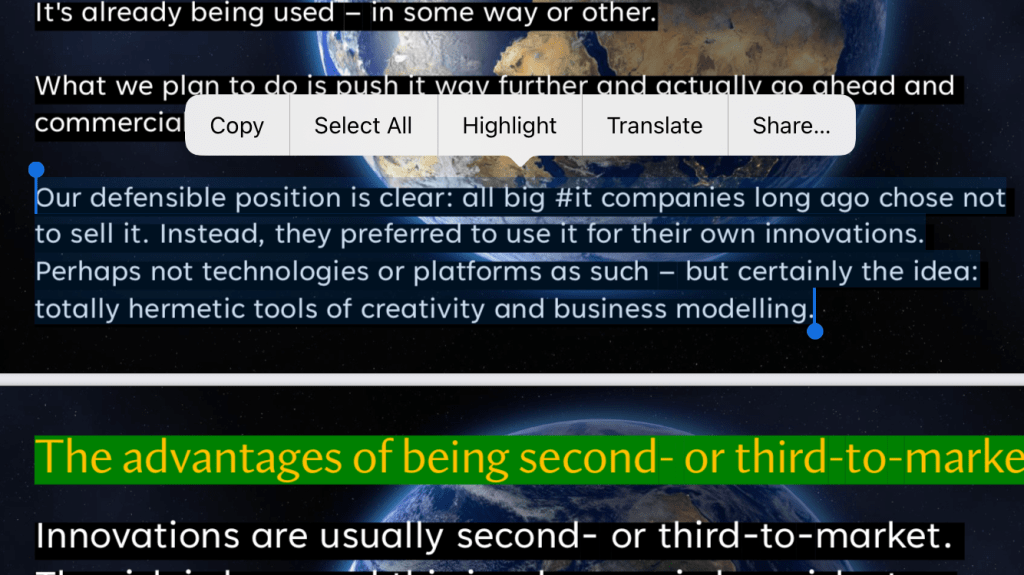
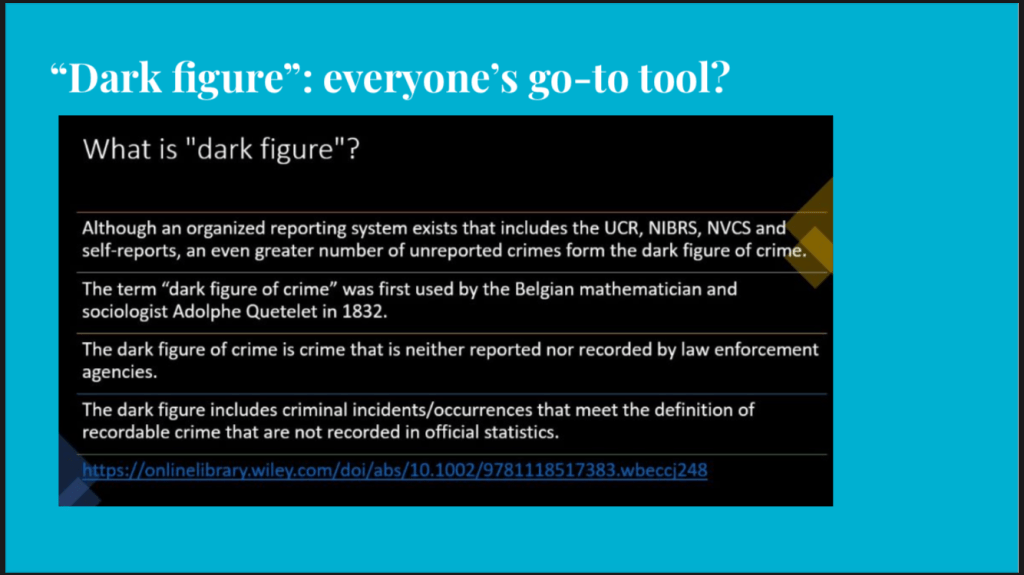
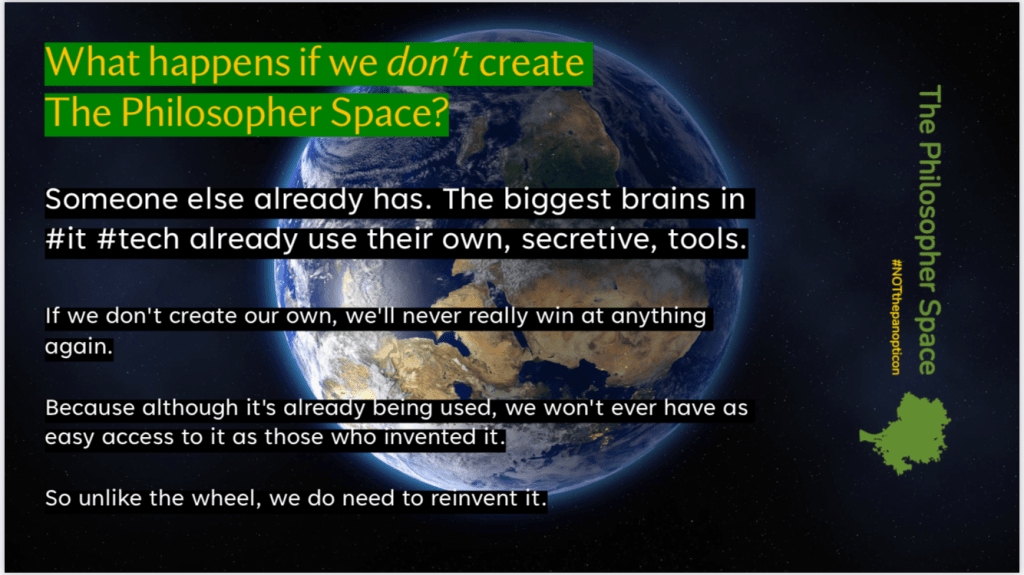
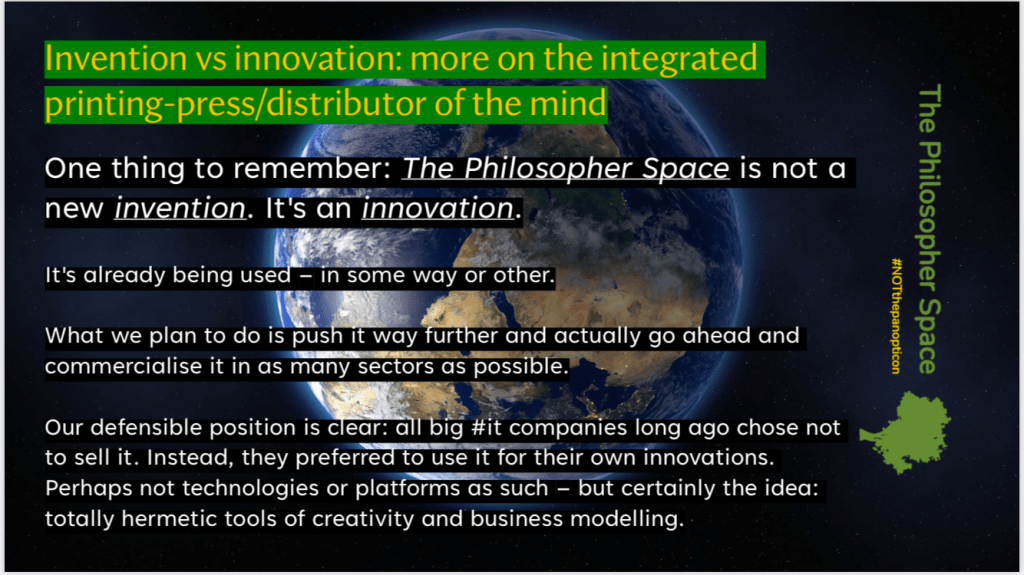
“Our defensible position is clear: all big #it companies long ago chose not to sell it. Instead, they preferred to use it for their own innovations. Perhaps not technologies or platforms as such – but certainly the idea: totally hermetic tools of creativity and business modelling.”

The full slide-deck can be found by downloading from the link that follows:

The Philosopher Space | #NOTthepanopticon slide-deck

The Philosopher Space | the full online whitepaper


But not only that: #espionage, #nationbuilding, interfering with due #democratic process … and #cultural/#industrial #intellectualproperty/#ip, and its broader tracking.

Yes. The final image above says “With A Little Help From My Friends” …

And actually, really rather a lot. Because I do have them, too. Though some spread the half-truth it ain’t so.

Why this post today

However, I’m not posting again about this brief and perhaps not overwhelming slide-deck to repeat myself. No.

It’s because I had an insight yesterday evening, late. I’ve been reading surveys from PwC and others — really cool surveys which shape narratives and edit reality interestingly, well and deliberatedly — which talk of how #innovation amongst the less advantaged has increased. And then again, more generally, how #innovation in digitally connected and aware organisations is increasing leaps and bounds over the olde-worlde office-bound competition.

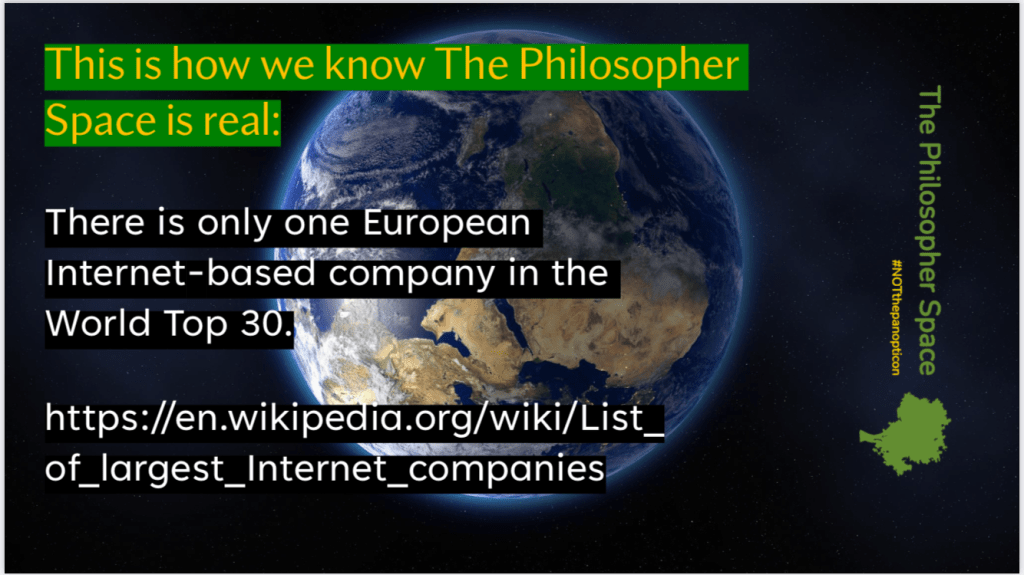
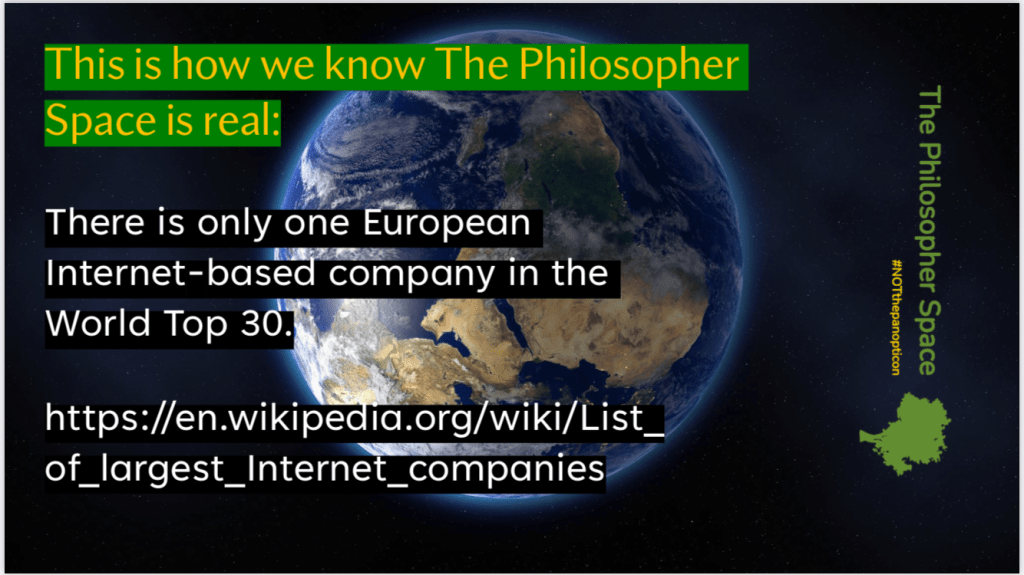
I wonder something else, in the light of my slide-deck’s thesis: what if for the first time — post-pandemic times, I mean — everyone is innovating? Not just the companies of #techbarons which own already, use habitually, and restrict the distribution fiercely of #privacypositive and #secrecypositive thinking-spaces. The spaces that mean 29 out of the top 30 Internet companies aren’t European:


No.

In this sense, partly so, with hybrid and working-from-home workflows, it’s become easier to hack into a part of the system but also — maybe even more — harder for intrusive #bigtech to establish the overall narrative arc of a potential new competitor, in respect of an equally potential #innovation — or even #invention! — in the throes of. Like the difference between traditional warfare versus guerrilla, perhaps?

The real reason #techbarons want their workforces back behind THEIR closed doors

What if the real reason the #elonmusks of our time are forcing #humans back into physical workplaces is because they know if it doesn’t happen more widely, then their long-existent, highly prized, and presumably immensely costly #secrecypositive thinking-spaces, based in such physical locations, will begin to lose their advantages over what was once mostly blindsided European tech and socioeconomic sectors?

What do I mean?

In the face of the #totalsurveillance #panopticon used by aggressive corporates — particularly #bigtech corporates — against anyone they decided was a threat, there was little the rest of the world — without a shield of some sort, I am saying — could do to protect its ideas. Or even develop them half usefully before they were gouged into non-existence.

But maybe, just maybe, that competitive advantage began to fizzle during pandemic. With everyone outside #secrecypositive and/or #secrecy-obsessed HQs, and the world all operating from home, two consequences emerged:

1. Everyone worldwide was in just about the same conditions, as far as the visibility of #innovation and #invention was concerned.

2. Suddenly a new openness — a confidence that it was OK to be nonconformists in front of colleagues — began to arise. We communicate via Zoom, in pyjamas, wild cats running across desks, children bursting in unexpectedly … and business, serious starched white-collar business, is suddenly exposed to real human life. In business contexts. And what’s more, it works.

Of course, collaterally, we’d gain equal confidence to THINK as WE TRULY HAVE BEEN THINKING all these years! Only they never let us shine … hardly once.

Should we then forget about our own #secrecypositive thinking-spaces?

Am I suggesting that there’s no need for #privacypositive and #secrecypositive thinking-spaces of our own?

No. I’m not.

Even whilst we are more dispersed and yet creatively so at the moment, and even as this makes the overall shape of a competitor’s #innovation more difficult to sense as well, sooner or later they will work out a way. But in the meantime, they need US all back in OUR offices and locatable, just as much as they need THEIR workforces back in THEIR offices, and once more hideable.

In truth, isn’t it the case that hybrid and working-from-home workplaces are to the #secrecy-obsessed #techbarons what #opensource at its most competent most competently was to closed source? A breath of collaborative and hyper-creative air in often challenging and anti-creative hyper-competitive environments.

Our challenge now

The question is: do we now have the balls to deliver for our humanity what #techbarons multiple have only ever cared to deliver for themselves?

And perhaps not even fully for their shareholders … not even this!

After all, the species is burning the planet, #bigtech has kept to itself this #freethinking on steroids I discuss in this post (and other places, too) for all these years … and all they’ve been able to use it for instead is making money out of a pandemic and putin’s three wars. As well some untold number of other human tragedies …

I’d guess since #totalsurveillance itself was implemented: 2003, says anyone?

Because NO ONE in the history of warfare has ever invented a sword without developing it’s related shield. So whilst the digital #panopticon was applied for reasons we all understood clearly in their day, #bigtech has sold global humanity short ever since.

How? I’d surmise by developing the aforementioned #freethinking on rockets — but for purely selfish gain.

In summary

Shouldn’t we all now REALLY feel cheated by the #techbarons of the world who act like this?

Actually, I think we should. Look. Give us all a break, guys. The planet needs us to be all at the top of our games much much more than rockets to Mars ever will.

How about we collaborate instead?

Ever heard of a philosopher kind of a guy called John Forbes Nash Jr?