
one of my favourite writers of all time is the #prosepoet #raymondchandler. passages which describe dust-ridden orange groves intermingle with the blood of a dark and deep act.
you can’t imagine how i was transported to the best of such writing today, on beginning to read the below.

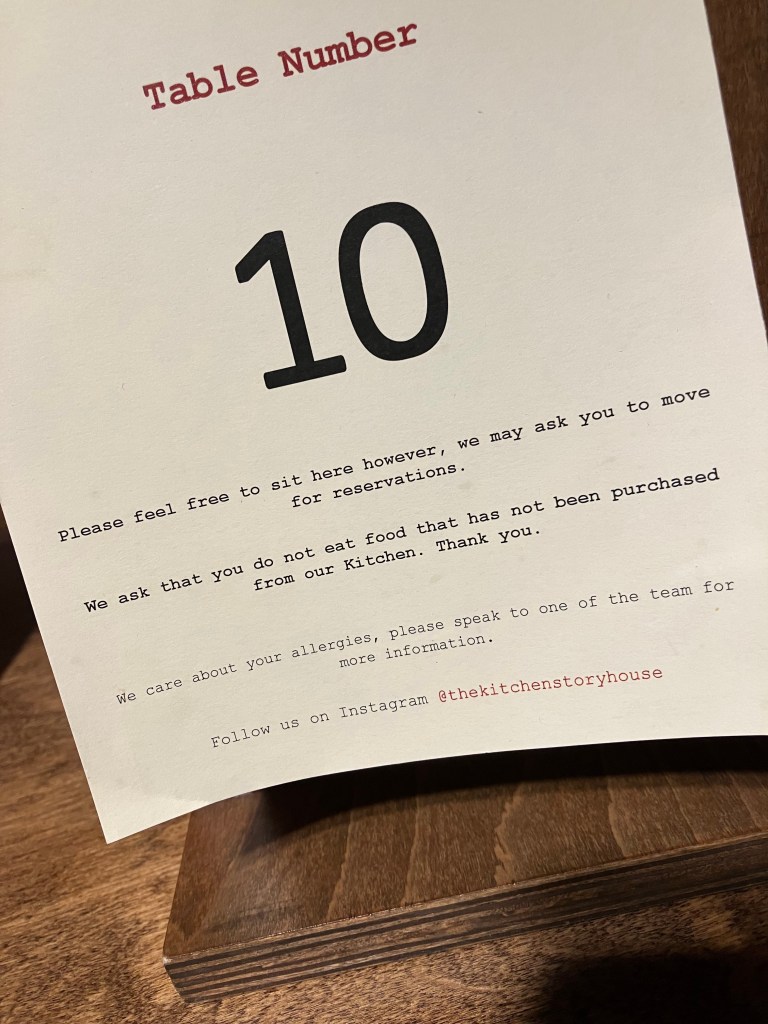
i’ve never read #ianfleming in my life. i stumbled across a #largeprint version of his book #thespywholovedme with a fabulous introduction by #nickstone earlier today in the quiet section of #storyhouse, #chester. i didn’t want to deprive someone who might really need it from the privilege if a standard-size version was available. it was. i wish now i had taken the large print. this #penguin edition is fab, of course. i don’t know if in every edition, but the page numbering in this particular one conserves the three digits of #jamesbond’s licence to kill. so page 1 is not page 1, but 001.
it’s a gentle and discreet touch and decision. it’s beautiful in its discretion.
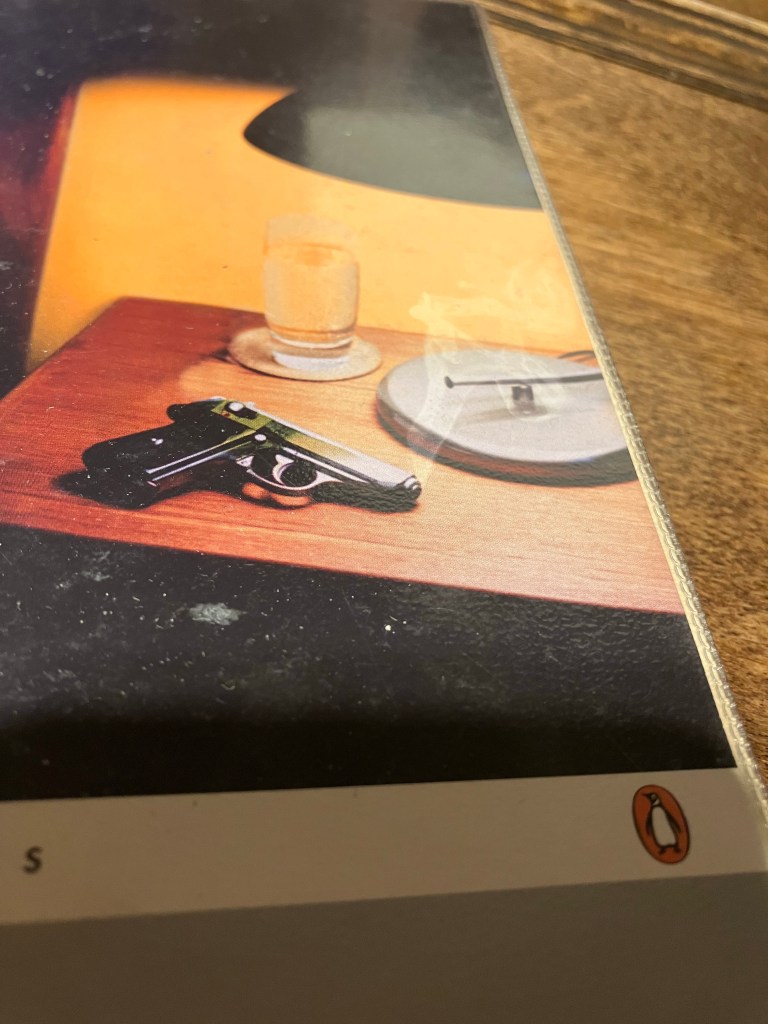
meantime, the large-print version has much better artwork on the cover: really evocative of its time. this one here is nice, and reminds in its palette and visual tonality a lot of #chandler’s aforementioned orange groves (not wildly out of keeping with the locale, or at least the continent, tbh), but it’s much more prosaic.
and at least this #bond book is anything but prosaic. it’s riddled with a superhuman attention to details of all kinds. it’s a poetic prose at the highest of levels: #fscottfitzgerald wouldn’t have been ashamed of any of it. and so #chandler, neither …
but the most surprising thing about this book by #ianfleming is both twofold and interlinked: being precisely what #nickstone ensured we took away from his introduction to the large-print version. it’s not written in the third-person but the first, and it’s not written from the spy’s point of view but from the female hero’s gaze. cognitive about her prior life and surroundings to the max and metacognitive about what happens to her and how she reacts, it is an astonishing piece of writing.
you don’t feel this is a woman written by a man at all. and maybe this is because i am a man, and maybe a woman wouldn’t feel the same either. and maybe i am radically wrong. but to me this was the #fleming who took intuitive, calculated risks in wartime when they needed to be taken. and sometimes you hurt people. and sometimes you saved them. but always … intuitively calculating.
and as i delve further into the book and admire more honestly and deeply its achievements, i realise why writers — like #fleming and perhaps, to a much lesser degree, even myself — deserve to be actors on much broader stages. because a human being who writes daily, who writes well daily, who writes pleasingly daily, and who writes purposefully daily … well … we take a thousand or maybe more decisions rightfully daily … you really do, you know, when you put sentences and sentences together, one after the other; and if you’re a writer you’ll understand that when people say writing is not the same thing as doing, it’s only because no one who “prefers doing” ever duly sees the number of great decisions even just a good writer who writes every day is capable of taking because of their professional art and training: being transferable skills, all.
and #fleming is not only a good writer but actually one of the best. so when he sent humans to possible, sometimes certain, death on missions in world war ii, he did so with the very best of brains which might ever have been brought to bear on the challenges that nazi germany imposed at the time on us all.
and then after the war, with all those calculated risks done and taken and regretted or not, he proceeded to write an object of art such as this book i am reading now.
life is about doing things like this.
life is about calculating a #cognitivebeauty and completing it.
isn’t it, after all?
yes.
it is.


 mil's page